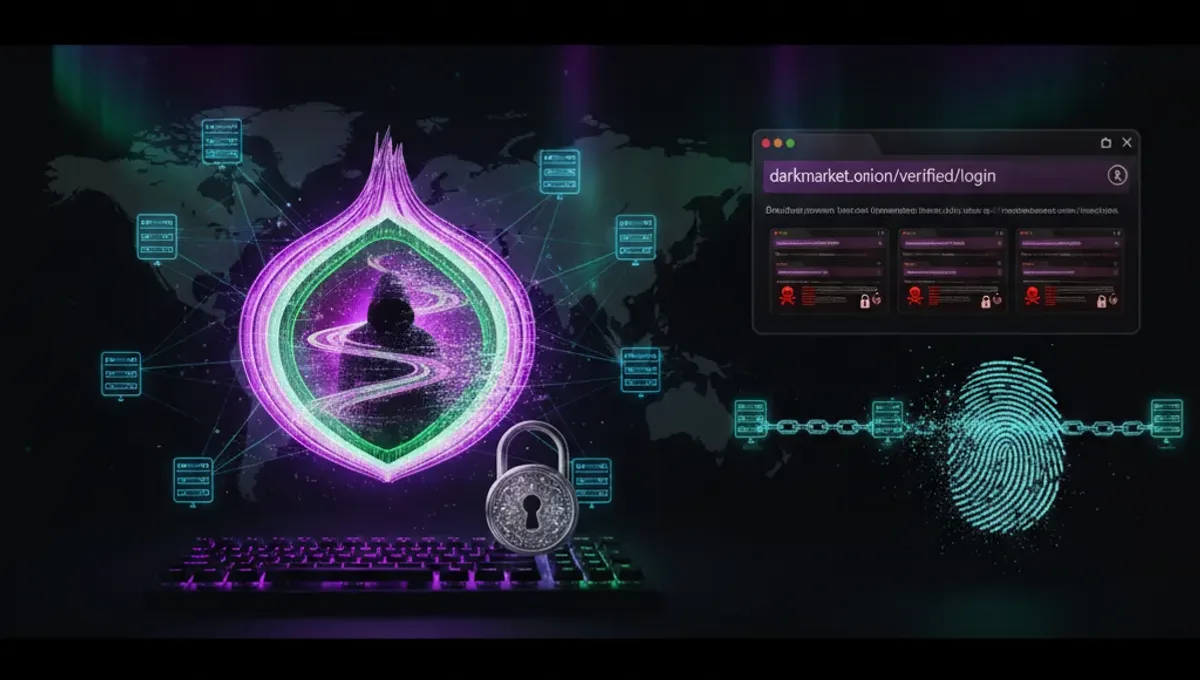
What Is a Dark Market and How Does It Differ from the Surface Web
Dark markets exist on the Tor network, accessible only through the Tor browser, whereas surface web marketplaces operate on standard HTTP/HTTPS protocols visible to search engines. The key distinction lies in anonymity infrastructure: dark markets route traffic through multiple Tor relays, masking user IP addresses and location data. Transactions typically use cryptocurrency rather than traditional payment methods, reducing traceability. Dark markets operate without centralized regulation or payment processor oversight, though many employ escrow systems and reputation mechanisms similar to conventional e-commerce platforms. The .onion domain structure ensures the marketplace server location remains hidden, preventing direct law enforcement takedowns based on physical location alone. These technical differences create an environment where both legitimate privacy-focused commerce and illegal activity can coexist.
How Tor Routing and Onion Addresses Enable Dark Market Operations
Tor routing works by passing user traffic through a series of volunteer-operated relays, with each relay knowing only the previous and next hop in the circuit. This layered encryption prevents any single point from revealing both the user's origin and destination simultaneously. Onion addresses, formatted as 56-character alphanumeric strings followed by .onion, are derived from the marketplace's cryptographic keys. When a user connects to an onion address, Tor establishes a rendezvous point between the user's circuit and the hidden service's introduction points. This architecture means the marketplace operator never learns the user's real IP address, and the user never directly contacts the server's physical location. The marketplace itself operates as a hidden service, with its own Tor circuits protecting the server infrastructure. This mutual anonymity is fundamental to how dark markets maintain operational security, though it also creates challenges for law enforcement and enables illegal commerce.
Types of Dark Markets: Generalist Platforms vs. Specialized Marketplaces
Dark markets fall into two broad categories: generalist platforms and specialized marketplaces. Generalist dark markets function like Amazon or eBay, offering diverse product categories from books and electronics to services. These platforms typically implement multi-vendor systems with reputation scoring, dispute resolution, and escrow mechanisms. Specialized marketplaces focus on specific niches, such as digital goods, cybersecurity services, or particular product categories. Some dark markets operate as open registration platforms, while others require invitation codes or vouching from existing members to prevent infiltration by law enforcement. The operational lifespan of dark markets varies significantly: some persist for years with stable user bases, while others collapse due to security breaches, operator exit scams, or law enforcement action. Market administrators typically charge vendor fees, transaction commissions, or listing fees to generate revenue. The technical infrastructure and governance models differ substantially between platforms, affecting user experience, security, and trustworthiness.
Distinguishing Genuine Onion Addresses from Phishing Clones and Scams
Phishing clones are fraudulent copies of legitimate dark market sites designed to steal credentials and cryptocurrency. Attackers register similar .onion addresses that visually resemble the authentic marketplace, exploiting users who mistype URLs or rely on outdated bookmarks. Verification methods include checking PGP signatures on official announcements, confirming addresses through multiple independent sources, and examining the marketplace's cryptographic keys against archived versions. Legitimate dark markets typically publish their official .onion address on multiple mirror sites and through PGP-signed statements. Users should verify the marketplace's public key fingerprint before trusting any address. Phishing sites often display subtle inconsistencies: missing features, altered layouts, or requests for unnecessary information. The absence of established vendor reputation, suspicious new account creation patterns, or pressure to act quickly are red flags. Maintaining a personal record of verified .onion addresses and their associated PGP keys prevents accidental access to fraudulent clones. Never access a dark market through links in emails, messages, or unverified sources.
Common Operational Security Mistakes That Compromise Anonymity
Users compromise their anonymity through several preventable mistakes. Reusing usernames across dark markets and the clearnet allows correlation attacks linking pseudonymous identities to real-world individuals. Uploading files without removing metadata exposes location data, device information, and timestamps embedded in documents. Running plugins or extensions in the Tor browser can leak IP addresses through WebRTC, DNS, or proxy bypass vulnerabilities. Maximizing the browser window to full screen enables fingerprinting based on screen resolution. Logging into personal accounts while using Tor defeats anonymity by directly linking the session to known identity. Discussing personal details, even seemingly innocuous information, allows adversaries to build profiles through cross-referencing. Enabling JavaScript in the Tor browser increases attack surface for browser-based exploits. Mixing Tor traffic with non-Tor traffic on the same device risks correlation. Proper OpSec requires compartmentalization: dedicated devices or virtual machines for dark market access, disabling plugins, using Tor Browser's default security settings, and avoiding behavioral patterns that distinguish individual users.
Dark Market 2022 and Evolution: From Defunct Platforms to Current Infrastructure
The dark market landscape underwent significant changes through 2022 as law enforcement operations dismantled several high-profile platforms. Marketplace operators adapted by implementing improved security measures, decentralized governance models, and distributed infrastructure to resist takedowns. Some markets transitioned to peer-to-peer models reducing single points of failure. Others adopted multi-signature escrow systems and automated dispute resolution to reduce operator exit scam risk. The technical sophistication of dark market platforms increased, with enhanced encryption, improved user interface design, and better integration with cryptocurrency mixing services. Market administrators began publishing transparency reports and security audits to build user trust. The regulatory environment tightened globally, prompting marketplace operators to implement stricter vendor vetting and content moderation policies. Some platforms introduced mandatory PGP communication between vendors and buyers to prevent phishing. The evolution reflects ongoing tension between operational security, user experience, and regulatory pressure. Current dark markets employ lessons learned from previous shutdowns, though the fundamental Tor-based infrastructure remains largely unchanged.
Accessing Dark Markets Safely: Technical and Behavioral Precautions
Safe dark market access requires multiple layers of protection. Begin by installing the official Tor Browser from the project's website, verifying the GPG signature against the published key. Use a dedicated device or virtual machine isolated from personal accounts and files. Configure the Tor Browser to its highest security setting, which disables JavaScript and plugins. Connect through a VPN before launching Tor to prevent your ISP from detecting Tor usage, though this adds latency. Never maximize the browser window, as full-screen dimensions enable fingerprinting. Disable JavaScript entirely to prevent exploit vectors. Create unique usernames unrelated to any online identity. Use PGP encryption for sensitive communications with vendors. Enable two-factor authentication where available. Maintain separate cryptocurrency wallets for dark market transactions, using privacy-focused coins and mixing services. Document marketplace addresses and PGP keys offline. Assume all marketplace operators may be compromised or exit scam. Never trust a single source for marketplace information; cross-reference addresses across multiple independent archives. For verified marketplace information and current operational status, consult the Verified Marketplaces page.
Frequently asked questions
What is the difference between a dark market and the deep web?
The deep web includes any internet content not indexed by search engines, such as email accounts, medical records, and academic databases. Dark markets are a specific subset of the deep web that operate on anonymity networks like Tor. Not all deep web content is on dark markets, and not all dark markets are illegal. The terms are often conflated but describe different concepts: the deep web is about indexing, while dark markets are about anonymized commerce.
Can law enforcement shut down dark markets?
Law enforcement can shut down dark markets through several methods: identifying the server's physical location through traffic analysis or informants, arresting marketplace operators, or compromising the Tor network itself. However, the distributed nature of Tor and the use of hidden services make complete shutdown difficult. Operators can migrate to new .onion addresses or rebuild platforms. Several major dark markets have been successfully dismantled, but new ones typically emerge. The technical architecture provides resilience, though not immunity, against law enforcement action.
Is accessing a dark market illegal?
Accessing a dark market itself is not illegal in most jurisdictions; using Tor and visiting .onion sites is legal. However, purchasing illegal goods or services on dark markets is a criminal offense. The legality depends on your jurisdiction and the specific activities conducted. Many dark markets host legal content and services. Law enforcement typically targets illegal transactions and marketplace operators rather than passive users. Consult local laws regarding your specific situation.
How do dark markets prevent scams and fraud?
Dark markets implement several anti-fraud mechanisms: escrow systems hold cryptocurrency until transactions complete, reputation systems track vendor and buyer behavior, dispute resolution processes adjudicate conflicts, and multi-signature wallets require multiple parties to authorize fund release. However, these systems are imperfect. Marketplace operators can exit scam by disappearing with held funds. Vendors can deliver counterfeit goods. Users should verify vendor reputation, start with small transactions, and use established marketplaces with transparent governance. No dark market is completely fraud-proof.
What cryptocurrency do dark markets use?
Bitcoin is the most commonly accepted cryptocurrency on dark markets due to its widespread adoption, though its transaction history is permanently recorded on the blockchain. Some markets accept Monero, which provides stronger privacy through ring signatures and stealth addresses. Zcash is occasionally used but less common. Many dark markets now require users to mix or tumble cryptocurrency before depositing to prevent transaction tracing. The choice of cryptocurrency affects anonymity levels; privacy-focused coins provide better protection than Bitcoin.