What Is a Darknet Drug Market?
A darknet drug market is a website hosted on the Tor network or similar anonymizing infrastructure, designed to facilitate the sale of controlled substances. These platforms function like conventional e-commerce sites: vendors create listings, buyers browse and purchase, and escrow systems hold funds until delivery. The primary distinction is that all participants use pseudonyms, transactions occur in cryptocurrency, and the infrastructure is deliberately hidden from standard internet search and law enforcement surveillance. Darknet drug stores typically operate as marketplaces rather than single-vendor operations, hosting hundreds or thousands of sellers. The market structure mirrors legitimate commerce, with vendor ratings, dispute resolution, and feedback mechanisms designed to build trust among anonymous parties. However, the absence of legal accountability and regulatory oversight creates an environment where fraud, product misrepresentation, and violence are common.
How Tor Routing Enables Market Anonymity
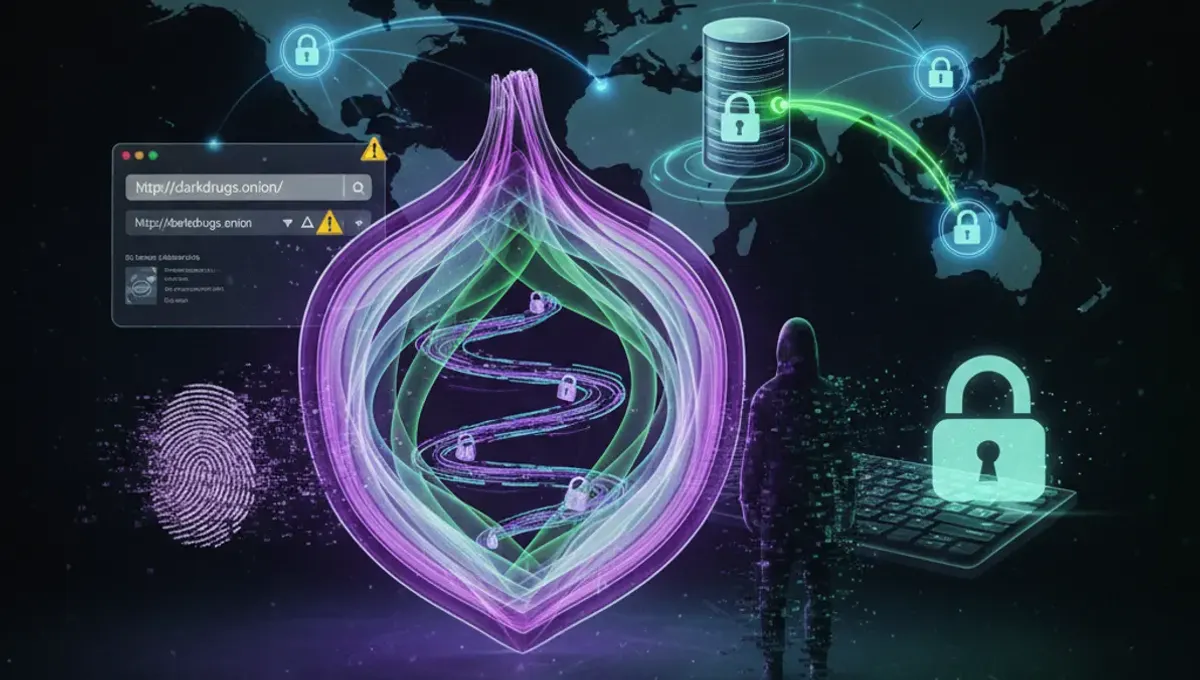
Tor anonymizes traffic by routing data through multiple volunteer-operated nodes, with each layer encrypting the message differently. When a user accesses a darknet drug market, their connection passes through at least three relays before reaching the destination server. Each relay knows only the previous and next hop in the chain, preventing any single node from mapping the user's identity to the destination. The market server itself operates as a hidden service, meaning its location and IP address remain concealed even from users. This technical architecture creates genuine anonymity for both market operators and users, which is why darknet drug links remain difficult for authorities to trace. However, this anonymity is not absolute. Law enforcement has successfully identified market operators through cryptocurrency transaction analysis, metadata leaks, operational security failures, and cooperation with hosting providers. The 2022 darknet market landscape saw increased focus on these investigative techniques, leading to multiple high-profile takedowns.
Cryptocurrency and Transaction Traceability
Darknet drug markets primarily accept Bitcoin and Monero, with Monero gaining adoption due to its mandatory privacy features. Bitcoin transactions are pseudonymous but traceable on the public ledger; law enforcement agencies have developed sophisticated blockchain analysis tools to follow coin flows from exchanges to market wallets. Monero employs ring signatures and stealth addresses to obscure transaction details, making it significantly harder to trace. Despite these privacy measures, cryptocurrency transactions leave forensic evidence. Exchanges that convert fiat currency to crypto often require identity verification, creating a potential link between the user and their wallet. Market operators must eventually convert cryptocurrency to usable currency, typically through exchanges or peer-to-peer channels, which introduces additional traceability risks. The 2022 darknet market environment saw increased regulatory pressure on exchanges, forcing many to implement stricter know-your-customer protocols. This has made the conversion process riskier for market operators and users alike, contributing to the instability of major platforms.
Law Enforcement Operations Against Darknet Drug Markets
Law enforcement agencies across multiple jurisdictions have successfully dismantled major darknet drug markets through coordinated investigations. These operations typically involve cryptocurrency analysis, undercover purchases, server seizures, and international cooperation. Investigators purchase products from vendors, establishing evidence chains and identifying shipping patterns. Once a market's infrastructure is located, authorities can seize servers, arrest operators, and prosecute users based on transaction records and shipping information. The challenge for law enforcement is that market operators often operate from jurisdictions with limited cooperation agreements or weak cybercrime enforcement. Additionally, new markets frequently emerge to replace shut-down platforms, creating a cyclical pattern. However, each takedown generates intelligence about operational security failures, vendor networks, and user behavior that informs subsequent investigations. The cumulative effect has been a measurable increase in arrests and convictions of both market operators and high-volume vendors.
Common Operational Security Failures
Darknet drug market operators and vendors frequently compromise their anonymity through preventable mistakes. Reusing usernames across platforms creates linkages between separate identities. Logging into market accounts from the same Tor exit node repeatedly establishes patterns that can be correlated with other activity. Vendors who use the same cryptocurrency wallet for multiple markets create a consolidated transaction history. Poor password hygiene and failure to use hardware wallets expose private keys to compromise. Market administrators who access servers without proper operational security can reveal their physical location through metadata or ISP logs. Mixing personal information with market activity—such as mentioning real names, locations, or personal history in vendor profiles—directly undermines anonymity. Many arrested market operators were identified through such operational security failures rather than through sophisticated technical attacks. The lesson is that technical anonymity tools provide only a foundation; maintaining anonymity requires consistent discipline and awareness of information leakage vectors.
Distinguishing Legitimate Darknet Markets from Phishing Clones
Phishing clones are fraudulent copies of legitimate darknet drug markets designed to steal cryptocurrency and credentials. These sites are hosted on separate servers but mimic the appearance and functionality of established platforms. Users who access a phishing clone through a mistyped URL or malicious link may deposit funds or enter credentials, which are immediately stolen. Legitimate markets publish their official onion addresses on secure channels and verify them using PGP signatures. Users should verify the PGP signature of any onion address before accessing a market, confirming that the address comes from the market's official key. Bookmarking correct addresses and accessing them only through bookmarks reduces phishing risk. Additionally, legitimate markets maintain consistent uptime and functionality; sudden changes in interface, unexpected logout requests, or requests for re-verification of credentials are red flags. Users should also verify that the SSL certificate for the onion address is valid and issued to the correct domain. Phishing attacks are particularly effective because they exploit the difficulty of verifying identity on the darknet, where visual inspection alone cannot confirm authenticity.
Why Darknet Drug Markets Are Inherently Unstable
Darknet drug markets face structural instability that distinguishes them from legitimate commerce platforms. The absence of legal recourse means disputes between vendors and buyers are resolved through reputation systems and escrow, both of which are vulnerable to manipulation. Market administrators can exit scam, stealing all funds held in escrow and disappearing. Vendors can engage in selective scams, stealing from specific buyers while maintaining positive ratings through legitimate sales. The lack of regulatory oversight means no insurance or recovery mechanism exists for defrauded users. Additionally, markets are constant targets for law enforcement infiltration, leading to sudden shutdowns that leave users without recourse. The 2022 darknet market environment demonstrated this instability, with multiple platforms experiencing exit scams or law enforcement seizures. The combination of technical complexity, cryptocurrency volatility, and legal risk creates an environment where market longevity is measured in months rather than years. Users who deposit significant funds into any darknet drug market face substantial risk of total loss through either fraud or enforcement action.
Frequently asked questions
Are darknet drug markets truly anonymous?
Darknet markets provide technical anonymity through Tor routing and cryptocurrency, but this anonymity is not absolute. Law enforcement has successfully identified market operators and users through cryptocurrency analysis, operational security failures, metadata leaks, and traditional investigation techniques. Anonymity depends entirely on consistent operational discipline; even small mistakes can compromise identity.
What happens when a darknet drug market is shut down?
When law enforcement seizes a darknet market, users typically lose access to their accounts and any funds held in escrow. Operators and high-volume vendors face criminal prosecution. New markets often emerge to replace shut-down platforms, but users who had funds on the seized market have no recovery mechanism. This is a significant financial risk for market participants.
How do law enforcement agencies locate darknet markets?
Investigators use cryptocurrency blockchain analysis to trace fund flows, conduct undercover purchases to gather evidence, analyze server metadata and hosting patterns, and cooperate with international law enforcement. They also exploit operational security failures by market operators and vendors. Once a market's infrastructure is identified, authorities can seize servers and arrest operators.
What is the difference between Monero and Bitcoin on darknet markets?
Bitcoin transactions are pseudonymous but traceable on the public ledger, allowing law enforcement to follow coin flows. Monero uses ring signatures and stealth addresses to obscure transaction details, making tracing significantly harder. However, both cryptocurrencies leave forensic evidence when converted to fiat currency, which is where most users are eventually identified.
Why do darknet drug markets frequently exit scam?
Market administrators can steal all funds held in escrow and disappear because there is no legal recourse or regulatory oversight. The absence of accountability creates an incentive structure where exit scams are profitable for operators. Users have no insurance or recovery mechanism, making any funds deposited into a darknet market vulnerable to total loss.