What Is a Darknet Gun Market?
A darknet gun market refers to illicit online marketplaces accessible through the Tor network where firearms, ammunition, and related components are offered for sale. These markets operate similarly to other darknet marketplaces, using cryptocurrency for transactions and anonymous communication channels. Unlike legitimate firearms dealers, darknet gun vendors operate without licensing, background checks, or regulatory oversight. The anonymity provided by Tor and onion addresses creates conditions where sellers and buyers attempt to evade identification. However, law enforcement agencies have successfully infiltrated and shut down numerous such operations, demonstrating that darknet activity leaves digital traces. The actual volume of firearms trafficking through darknet markets remains difficult to quantify, but enforcement actions indicate it represents a small fraction of overall illegal weapons trafficking, which predominantly occurs through physical channels and corrupt licensed dealers.
How Darknet Markets Operate: Infrastructure and Anonymity
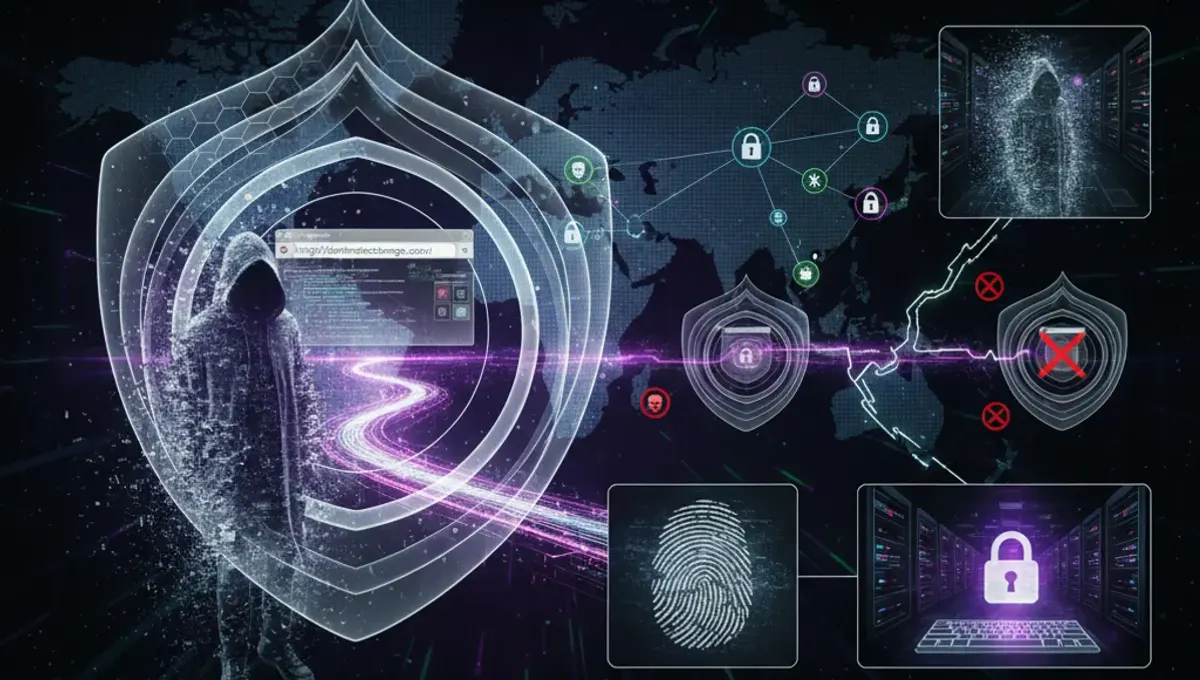
Darknet markets function as hidden services on the Tor network, accessed through .onion addresses that route traffic through multiple encrypted relays. This routing structure masks the user's IP address and location, but does not guarantee anonymity against sophisticated adversaries. Market operators host servers on infrastructure they control or rent, creating a central point of failure that law enforcement can identify and seize. Transactions typically use cryptocurrency like Bitcoin or Monero, which provide pseudonymity rather than true anonymity—blockchain analysis can trace transaction patterns. Vendors and buyers communicate through encrypted messaging within the marketplace platform. Market administrators collect fees on transactions and maintain dispute resolution systems. Despite these technical measures, darknet markets have proven vulnerable to law enforcement infiltration, exit scams where operators steal user funds, and phishing attacks targeting users. The 2022 darknet market landscape saw continued enforcement pressure, with major marketplaces experiencing takedowns or voluntary closures.
Historical Darknet Markets and Enforcement Actions
Several major darknet markets have been associated with illegal firearms sales. Alphabay darknet market, which operated until 2017, facilitated weapons trafficking before law enforcement shut it down through coordinated international action. Agora darknet market similarly hosted firearms vendors before its closure. Aero market darknet and other platforms that emerged afterward continued this pattern. The 2022 darknet market environment saw intensified law enforcement operations targeting weapons trafficking specifically. Federal agencies, including the FBI and ATF, have conducted undercover operations posing as buyers or sellers to identify participants. These investigations have resulted in indictments, convictions, and lengthy prison sentences for major vendors. International cooperation between law enforcement agencies in the United States, Europe, and other regions has become standard practice for disrupting darknet gun markets. Each enforcement action demonstrates that operational security failures, cryptocurrency traceability, and informant cooperation ultimately compromise the anonymity that darknet participants rely upon.
Legal Consequences of Darknet Firearms Trafficking
Participation in darknet gun markets carries severe federal criminal penalties. Selling firearms without a license violates federal law regardless of the sales channel. Buying firearms through illegal channels violates weapons trafficking statutes. Using the internet to facilitate these transactions adds additional charges related to wire fraud and money laundering. Cryptocurrency transactions do not shield participants from prosecution—financial forensics and blockchain analysis have become standard investigative tools. Conspiracy charges apply to individuals who discuss or plan illegal weapons sales, even if no transaction occurs. Sentencing guidelines for weapons trafficking offenses typically result in substantial prison time, often measured in years or decades. International trafficking charges carry additional penalties. Individuals convicted of weapons trafficking face permanent criminal records affecting employment, housing, and civil rights. Asset forfeiture laws allow authorities to seize cryptocurrency, computers, and other property used in these crimes. The legal framework treats darknet weapons trafficking as seriously as traditional illegal arms dealing, with no distinction based on the technology used.
Why Darknet Gun Markets Remain High-Risk
Darknet gun markets present multiple layers of risk beyond legal consequences. Scams are endemic—vendors may accept payment without delivering products, or law enforcement may operate undercover accounts to identify buyers. Phishing attacks target marketplace users through fake .onion addresses designed to steal credentials and cryptocurrency. Malware distributed through darknet forums can compromise operational security and reveal user identity. Quality control is absent; firearms purchased through these channels may be defective, stolen, or traced to previous crimes. Shipping physical firearms through postal systems creates additional detection points where law enforcement intercepts packages. Metadata from communications, even encrypted ones, can reveal patterns of behavior that investigators use to build cases. The decentralized nature of darknet markets means no recourse exists if transactions go wrong—no buyer protection, no dispute resolution with teeth, no refunds. Participants in these markets face not only law enforcement but also theft by other criminals operating in the same space.
Distinguishing Legitimate Information from Misinformation
Darknet forums and communities often circulate exaggerated claims about market security, vendor reliability, and law enforcement capabilities. Claims that specific marketplaces are 'unhackable' or 'completely anonymous' are false—every major darknet market has been compromised or shut down. Vendor reputation systems on darknet markets are manipulated through fake reviews and sybil attacks. Information about 'new markets' that claim to have solved previous security problems should be treated with extreme skepticism. Legitimate information about darknet markets comes from law enforcement press releases, court documents, and academic research, not from marketplace forums or social media. News reports of major enforcement actions provide verified details about how investigations succeeded. Technical documentation about Tor and onion services from the Tor Project itself explains actual capabilities and limitations. Misinformation typically promises anonymity that does not exist or suggests law enforcement lacks capability to investigate darknet activity—both claims have been repeatedly disproven through prosecutions.
The Broader Context: Darknet Market Ecosystem
Darknet gun markets exist within a larger ecosystem of illegal marketplaces that also facilitate drug trafficking, stolen data sales, and other crimes. The 2022 darknet market environment reflected ongoing consolidation and competition among platforms. Some markets focus on specific product categories, while others operate as general marketplaces. The technical infrastructure supporting these markets—hosting providers, cryptocurrency exchanges, forum platforms—often serves multiple illegal purposes. Law enforcement strategy has evolved to target not just individual markets but the supporting infrastructure. Takedowns of major markets like Alphabay darknet market and Agora darknet market disrupted the entire ecosystem temporarily, though new platforms emerged. The Aero market darknet and other successors adopted different operational models attempting to avoid previous vulnerabilities. However, the fundamental challenge remains: any centralized marketplace creates a target for law enforcement, and any decentralized system struggles with trust and dispute resolution. Understanding this context helps explain why darknet gun markets, despite their technical sophistication, remain vulnerable to disruption and why participation carries substantial risk.
Frequently asked questions
Are darknet gun markets actually anonymous?
Darknet markets provide pseudonymity through Tor routing and cryptocurrency, but not true anonymity. Law enforcement has successfully identified and prosecuted thousands of darknet participants through blockchain analysis, metadata examination, operational security failures, and informant cooperation. The Tor network masks IP addresses but does not prevent investigators from identifying patterns of behavior or compromising endpoints.
What happens if you get caught buying firearms on a darknet market?
Federal prosecution for illegal firearms purchases typically results in charges including unlicensed weapons trafficking, money laundering, and conspiracy. Sentences range from several years to decades in prison depending on quantity and circumstances. Convictions carry permanent criminal records affecting employment and civil rights. Asset forfeiture laws allow seizure of cryptocurrency and equipment used in the transaction.
How do law enforcement agencies shut down darknet gun markets?
Agencies use undercover operations, informant cooperation, blockchain analysis, and technical exploitation of market infrastructure. They identify server locations, seize hosting infrastructure, and build cases against operators and major vendors. International cooperation between law enforcement agencies has become standard. Court-authorized surveillance of cryptocurrency transactions and communications provides evidence for prosecution.
Why do darknet gun markets keep reappearing after takedowns?
New platforms emerge because the underlying demand and technical infrastructure persist. However, each new market inherits the same vulnerabilities that led to previous shutdowns: centralized infrastructure creates a target, cryptocurrency transactions leave traces, and operational security failures occur. Law enforcement has become more sophisticated at identifying and disrupting successor markets quickly.
Is buying firearms through darknet markets safer than other illegal channels?
No. Darknet gun markets present scam risk, malware risk, law enforcement risk, and quality control issues. Scammers steal payment without delivering products. Undercover law enforcement operates on these platforms. Malware compromises user security. Firearms may be defective or traced to previous crimes. The technical anonymity does not eliminate legal consequences or criminal victimization.