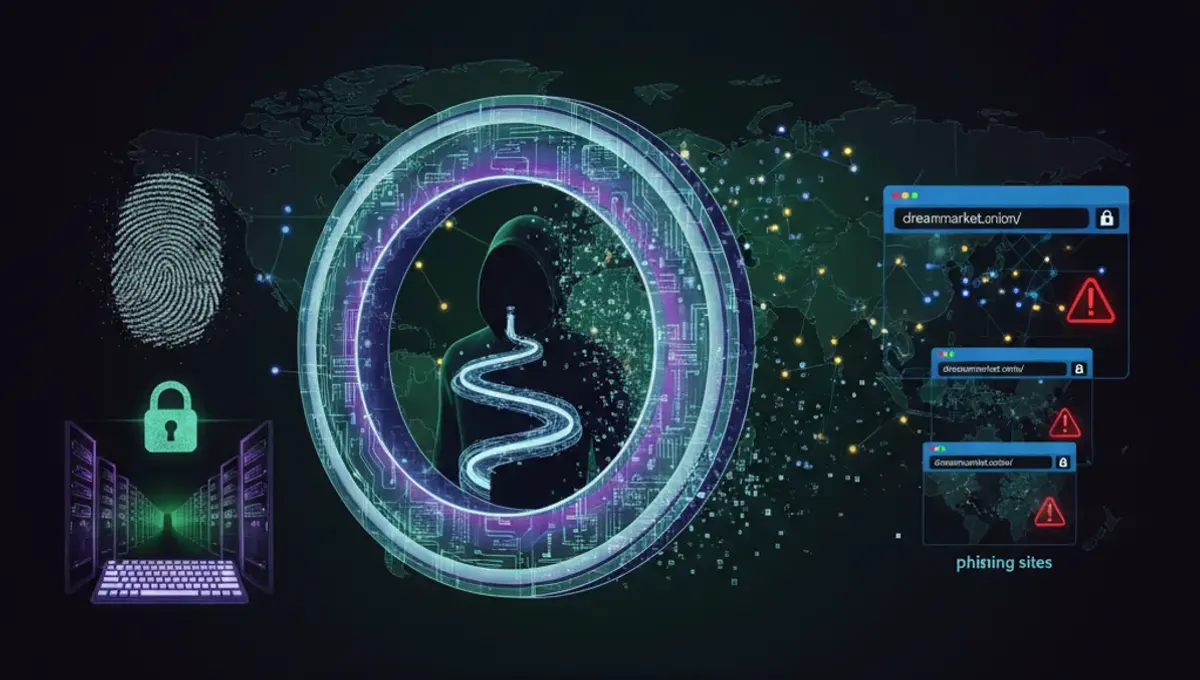
What Was Dream Market on the Darknet
Dream Market was an onion-based marketplace that operated between 2013 and 2019, primarily facilitating transactions in goods and services. It functioned as a centralized platform where vendors listed items and buyers placed orders through the Tor network. The marketplace used escrow systems and reputation scores similar to conventional e-commerce platforms. Dream Market attracted users seeking anonymity through its .onion address, which routed traffic through multiple Tor relays. The platform eventually ceased operations, and its closure left users searching for alternatives. Today, scammers create phishing clones using the Dream Market name to deceive users unfamiliar with its history. Recognizing that Dream Market no longer operates is the first step in avoiding fraud.
How Darknet Marketplaces Use Onion Addresses
Darknet marketplaces operate on .onion addresses, which are special domain names that only work within the Tor network. These addresses are generated using cryptographic keys and do not resolve on the regular internet. When you access a .onion site through Tor Browser, your traffic is encrypted and routed through multiple volunteer-operated relays, obscuring your IP address and location. Onion addresses are long alphanumeric strings; v3 addresses (the current standard) contain 56 characters. Marketplace operators host these sites on servers configured to accept only Tor connections. The decentralized nature of Tor routing means no single entity controls the network, but it also means users must verify addresses independently. Phishing sites often use similar-looking addresses to trick users into entering credentials or sending funds to fraudulent wallets.
Why Dream Market Shut Down and What Users Should Know
Dream Market's closure in 2019 resulted from operational challenges, law enforcement pressure, and competition from newer platforms. The marketplace experienced technical issues and security concerns that eroded user trust. When major darknet markets shut down, users often search for replacements, creating demand that scammers exploit. Fraudsters register new .onion domains or compromise existing mirrors to impersonate the defunct market. Posts on Reddit and other forums claiming to offer Dream Market links are frequently phishing attempts. Users searching for 'darknet dream market link' or 'dream market darknet reddit' often encounter misleading information. The lesson is that defunct marketplaces should not be accessed; their closure means no legitimate service exists under that name. Visiting supposed mirrors of dead markets exposes users to credential theft, malware, and financial loss.
Identifying Phishing Clones and Fraudulent Mirrors
Phishing clones impersonate legitimate or defunct darknet sites to steal login credentials, cryptocurrency, or personal data. These fake sites often have .onion addresses that closely resemble the original but differ by one or two characters. Fraudsters may also compromise legitimate mirrors or create lookalike sites hosted on different infrastructure. To verify a genuine onion address, cross-reference it across multiple independent sources rather than relying on a single link. Legitimate marketplaces publish their official addresses on their own platforms and through PGP-signed announcements. Check for HTTPS encryption (indicated by a padlock icon in Tor Browser) and verify PGP signatures if the marketplace provides them. Be wary of sites that ask for passwords before displaying content or that request cryptocurrency deposits upfront. If a marketplace is known to be defunct, like Dream Market, any site claiming to be it is fraudulent.
Tor Browser Security and Safe Darknet Access
Tor Browser is the official tool for accessing .onion sites securely. It bundles the Tor network client with a hardened Firefox browser configured to prevent IP leaks and fingerprinting. To use Tor Browser safely, download it only from the official Tor Project website, never from third-party sources. Keep Tor Browser updated to receive security patches. Disable plugins and extensions that might compromise anonymity. Use the highest security level available in Tor Browser settings, which disables JavaScript and other potentially exploitable features. Avoid maximizing the browser window, as window size can be used for fingerprinting. Do not open multiple tabs to different .onion sites simultaneously, as this increases the risk of cross-site tracking. Never use the same username or email across different darknet platforms, as this links your identities. When accessing any marketplace, assume it could be a phishing clone unless you have verified its address independently.
Common OpSec Mistakes That Compromise Anonymity
Operational security (OpSec) failures are the primary reason users are identified on the darknet despite using Tor. Reusing usernames across platforms allows adversaries to link your identities. Providing personal information in marketplace profiles or messages defeats anonymity. Using the same email address on multiple sites creates a fingerprint that law enforcement or attackers can follow. Visiting clearnet sites while connected to Tor can leak your real IP if your browser is misconfigured. Torrenting over Tor is ineffective because torrent clients bypass Tor and reveal your IP address. Enabling plugins like Flash or Java in Tor Browser can expose your real IP. Talking about personal details in forum posts or messages allows others to correlate information. Taking screenshots of darknet sites and posting them online can reveal metadata. The safest approach is to treat each darknet interaction as isolated, use unique identifiers for each platform, and never mix darknet activity with clearnet browsing habits.
Verified Marketplaces vs. Defunct Platforms
Searching for defunct markets like Dream Market wastes time and exposes users to fraud. Verified marketplaces that are currently operational have published security practices, active moderation, and transparent communication with users. These platforms maintain official .onion addresses and publish updates through secure channels. Defunct markets have no active support, no security updates, and no customer service. Any site claiming to be Dream Market or another shutdown marketplace is operating without the original infrastructure or operators. Users seeking legitimate darknet commerce should research current verified platforms, check their official announcements, and verify addresses through multiple independent sources. The Verified Marketplaces section of this site provides information on platforms that maintain active operations and security standards. Avoid any marketplace that cannot provide verifiable proof of legitimacy or that uses the name of a defunct platform.
Frequently asked questions
Is Dream Market still operating on the darknet?
No. Dream Market shut down in 2019 and no longer operates. Any site claiming to be Dream Market is a phishing clone designed to steal credentials or funds. Do not attempt to access it. If you are looking for active marketplaces, consult the Verified Marketplaces section of this site.
How can I tell if a darknet marketplace is legitimate?
Verify the .onion address independently across multiple sources, check for PGP-signed announcements from the marketplace operators, and confirm the site uses HTTPS encryption. Legitimate marketplaces have active moderation, transparent communication, and a history of operation. If a marketplace is unknown or uses the name of a defunct platform, it is fraudulent.
What should I do if I encounter a phishing clone?
Do not enter any credentials or send funds. Close the browser tab immediately. Report the phishing address to the legitimate marketplace if you know its official contact method. Document the fake address and report it to relevant security communities. Use Tor Browser's security features to prevent similar attacks in the future.
Why do scammers use the names of defunct markets like Dream Market?
Users searching for defunct markets are often unfamiliar with their closure and may not verify addresses carefully. Scammers exploit this by creating phishing sites that impersonate the dead marketplace. Users who find these fake sites may assume they are legitimate mirrors and enter sensitive information or send cryptocurrency.
What is the safest way to access darknet marketplaces?
Use only Tor Browser downloaded from the official Tor Project website. Verify marketplace addresses through multiple independent sources before visiting. Use unique usernames and never reuse credentials across platforms. Keep Tor Browser updated and use the highest security level. Never maximize your browser window or enable plugins. Assume any marketplace could be a phishing clone unless you have verified it independently.