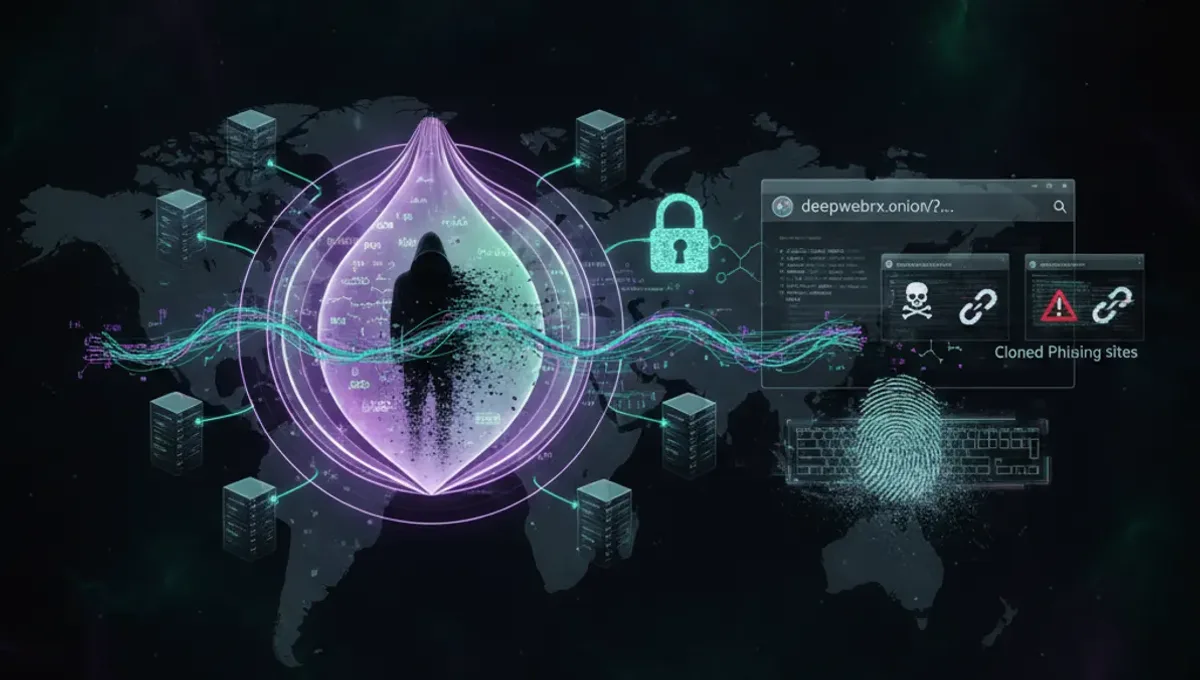
What Is a Deep Web Drug Store and How Does It Differ from Surface Web Markets
A deep web drug store is a marketplace hosted on hidden services within the Tor network, accessible only through the Tor browser using .onion addresses. Unlike surface web retailers, these sites do not appear in standard search engines and require knowledge of specific URLs or access through darknet directories. Deep web drug stores typically use multi-signature escrow systems where cryptocurrency is held by the marketplace until both buyer and seller confirm the transaction. Vendors maintain pseudonymous accounts with reputation ratings based on user reviews. The anonymity provided by Tor routing and the use of privacy-focused cryptocurrencies create an environment where traditional payment tracking methods fail. However, this anonymity is not absolute—law enforcement agencies have successfully identified and prosecuted marketplace operators and high-volume users through blockchain analysis, metadata leaks, and undercover operations.
How Tor Routing and .Onion Addresses Enable Hidden Marketplaces
Tor routing works by encrypting traffic through multiple relays, with each relay removing one layer of encryption to pass the data to the next node. This process obscures the user's IP address and location from the destination server. .Onion addresses are special domain names generated from the public key of a Tor hidden service, creating a cryptographic proof that the server you connect to is the legitimate one. When you access a deep web drug store, your connection is routed through at least three Tor nodes before reaching the marketplace server, which itself is hidden behind Tor. The marketplace operator never learns your real IP address, and observers on the network cannot easily determine which .onion site you are visiting. However, Tor exit nodes can see unencrypted traffic, and the Tor Project's official documentation warns that using Tor alone does not guarantee anonymity if users engage in identifying behavior or if the marketplace itself is compromised by law enforcement.
Common Security Vulnerabilities in Deep Web Drug Store Operations
Deep web drug stores face several structural security weaknesses. Phishing clones are fake marketplaces that mimic legitimate sites to steal cryptocurrency or credentials from users. These clones use similar .onion addresses or are promoted through social engineering. To verify a genuine marketplace, users must check PGP signatures on official announcements and compare the v3 address (the current Tor hidden service address format) against multiple trusted sources. Marketplace operators themselves are vulnerable to law enforcement infiltration, as demonstrated by multiple high-profile arrests where agents posed as vendors or buyers. Database breaches expose user information, including usernames and transaction histories. Users who reuse usernames across platforms, enable JavaScript in the Tor browser, or fail to properly configure their operating system can leak identifying information. Additionally, many users assume Tor provides complete anonymity without understanding that behavioral patterns, transaction amounts, and shipping addresses can be correlated by investigators.
How Deep Web Drug Links and URLs Are Discovered and Shared
Deep web drug links are typically discovered and shared through several channels. Darknet directories and search engines index .onion addresses, though many are outdated or point to defunct sites. Reddit communities, forums on the clearnet, and encrypted messaging groups serve as informal distribution networks for current marketplace URLs. Some users maintain personal lists or bookmarks of working addresses. However, sharing links publicly creates risks—law enforcement monitors these channels, and scammers frequently post fake URLs designed to redirect users to phishing sites. The decentralized nature of the darknet means there is no central registry; marketplaces appear and disappear regularly due to law enforcement action, operator exit scams, or technical failures. Users who rely on outdated deep web drug links often encounter either defunct sites or malicious clones. Official marketplace announcements, typically signed with PGP keys, are considered more reliable than links shared in public forums, though even these can be spoofed if users do not verify signatures properly.
Darknet Drug Store Escrow Systems and Transaction Mechanics
Most darknet drug stores use a three-party escrow system to reduce fraud. The buyer sends cryptocurrency to an address controlled by the marketplace, not directly to the vendor. The vendor ships the product and provides tracking information. Once the buyer confirms receipt, the marketplace releases the funds to the vendor. This system theoretically protects both parties, but it also creates a single point of failure—if the marketplace operator disappears with funds, neither party can recover their money. Some marketplaces charge transaction fees ranging from a percentage of the sale to flat amounts per transaction. Vendors typically maintain separate wallets and may use coin mixing services to obscure transaction trails, though blockchain analysis has become sophisticated enough to track many of these movements. The use of privacy coins like Monero has increased on some darknet drug stores specifically to circumvent blockchain analysis. However, most established marketplaces still accept Bitcoin, which creates a permanent, traceable record of all transactions on the public ledger.
Law Enforcement Tracking and Legal Consequences of Deep Web Drug Store Use
Law enforcement agencies worldwide have developed specialized units to investigate darknet drug stores. Techniques include blockchain analysis to trace cryptocurrency transactions, undercover operations where agents pose as buyers or vendors, and cooperation with Internet Service Providers to identify Tor exit nodes. Several major marketplaces have been shut down through coordinated international operations, with operators and significant users facing federal charges including money laundering, drug trafficking, and conspiracy. Users who purchase controlled substances face criminal liability in their jurisdiction regardless of the anonymity provided by Tor. Prosecution typically requires establishing that the defendant knowingly purchased illegal drugs, which can be proven through cryptocurrency transaction analysis, package interception, or undercover purchases. Sentences vary widely depending on the substance, quantity, and jurisdiction, but can include substantial prison time and asset forfeiture. Additionally, many users have been identified through operational security failures rather than technical breakthroughs—using the same username across platforms, providing identifying information during transactions, or allowing packages to be delivered to their home address.
Comparing Tor, VPN, and I2P for Accessing Hidden Services
Tor, VPN, and I2P are three distinct technologies for anonymity, each with different strengths and weaknesses. Tor routes traffic through multiple volunteer-operated relays and is specifically designed for accessing hidden services via .onion addresses. VPNs encrypt traffic to a single server operated by a commercial provider, offering speed and convenience but requiring trust in the provider. I2P is a peer-to-peer network designed for internal communication and is less commonly used for accessing external content. For accessing deep web drug stores specifically, Tor is the only practical option because .onion addresses only function within the Tor network. However, combining Tor with a VPN creates additional layers of encryption—either by routing Tor through a VPN or by routing a VPN through Tor, depending on threat model. The Tor Project's official documentation recommends against using VPN with Tor for most users because it can reduce anonymity if the VPN provider is compromised or cooperates with authorities. I2P offers better internal anonymity for peer-to-peer communication but does not provide access to .onion sites.
Frequently asked questions
Is accessing a deep web drug store illegal
Accessing the Tor network and viewing marketplace listings is not inherently illegal in most jurisdictions. However, purchasing controlled substances is illegal regardless of the method or anonymity involved. The act of completing a transaction for illegal drugs constitutes a criminal offense in virtually all countries. Law enforcement distinguishes between passive browsing and active participation in illegal commerce.
How do users find current deep web drug store URLs
Current URLs are typically shared through darknet directories, forums, and encrypted messaging groups. However, many shared links are outdated or lead to phishing clones. Verifying URLs through PGP-signed announcements from official marketplace accounts is more reliable than following links from public sources. Users should cross-reference addresses across multiple trusted sources before connecting.
Can law enforcement track cryptocurrency transactions on darknet markets
Yes. Blockchain analysis firms and law enforcement agencies can trace Bitcoin transactions through the public ledger, correlating wallet addresses with user behavior and identifying patterns. While privacy coins like Monero are more difficult to trace, most established darknet drug stores still accept Bitcoin. Multiple prosecutions have succeeded using blockchain analysis combined with other investigative techniques.
What is the difference between a v3 and v2 Tor address
V2 addresses were 16-character .onion domains used until 2021. V3 addresses are 56-character domains introduced for improved security and cryptography. The Tor Project deprecated v2 addresses because they were vulnerable to certain attacks. All current Tor hidden services use v3 addresses, and any marketplace still advertising a v2 address is likely defunct or a scam.
What operational security mistakes lead to user identification on darknet markets
Common mistakes include reusing usernames across platforms, enabling JavaScript in the Tor browser, providing identifying information during transactions, allowing packages to be delivered to a home address, and using the same cryptocurrency wallet across multiple marketplaces. Behavioral patterns such as consistent purchase times or amounts can also be correlated by investigators. Proper OpSec requires compartmentalization and avoiding any action that links the darknet identity to real-world identity.