What Are Onion Drug Markets and How Do They Differ from Surface Web Marketplaces?
Onion drug markets are websites accessible only through the Tor browser using .onion addresses. Unlike surface web marketplaces, they do not appear in search engines and require specific knowledge of their URLs to access. These markets use end-to-end encryption, multi-signature wallets, and escrow systems to process transactions while maintaining user anonymity. The Tor network routes traffic through multiple relays, making it difficult to trace user location or identity. Darknet markets typically operate as decentralized platforms where vendors and buyers interact through encrypted messaging. Law enforcement agencies worldwide monitor these markets, and many have been shut down through coordinated operations. The technical infrastructure differs fundamentally from clearnet commerce: onion markets use v3 addresses (56-character strings), employ cryptocurrency for payments, and often require PGP key verification for secure communication between parties.
How Does Tor Routing Protect Anonymity on Darknet Markets?
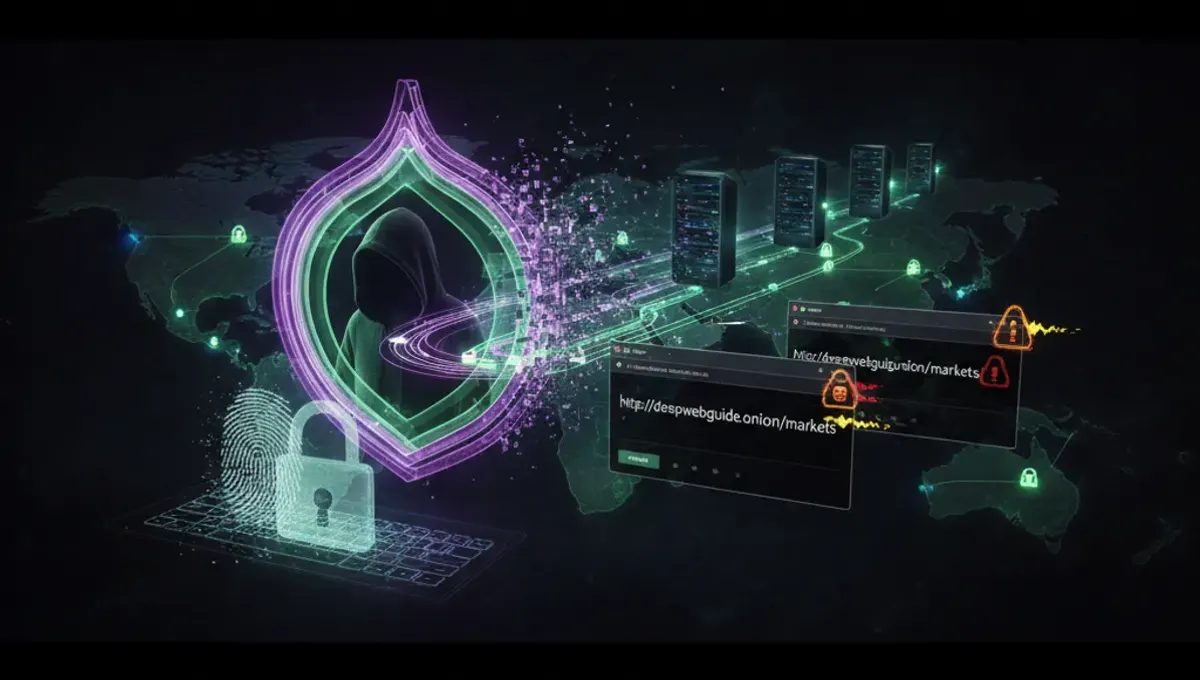
The Tor network protects anonymity by routing traffic through at least three randomly selected relays before reaching the destination. Each relay knows only the previous and next hop in the chain, preventing any single node from knowing both the user's origin and the destination. When you access an onion drug market, your ISP cannot see which .onion address you're visiting, and the market operator cannot determine your real IP address. Tor uses layered encryption, where each relay removes one encryption layer before passing the data forward. Exit nodes decrypt the final layer but cannot identify the original user. However, Tor alone does not guarantee anonymity if users compromise their operational security by revealing personal information, using the same username across platforms, or running JavaScript in the browser. Onion markets benefit from this routing architecture but remain vulnerable to timing attacks, browser fingerprinting, and law enforcement infiltration of the market infrastructure itself.
What Is a V3 Onion Address and Why Does It Matter for Darknet Markets?
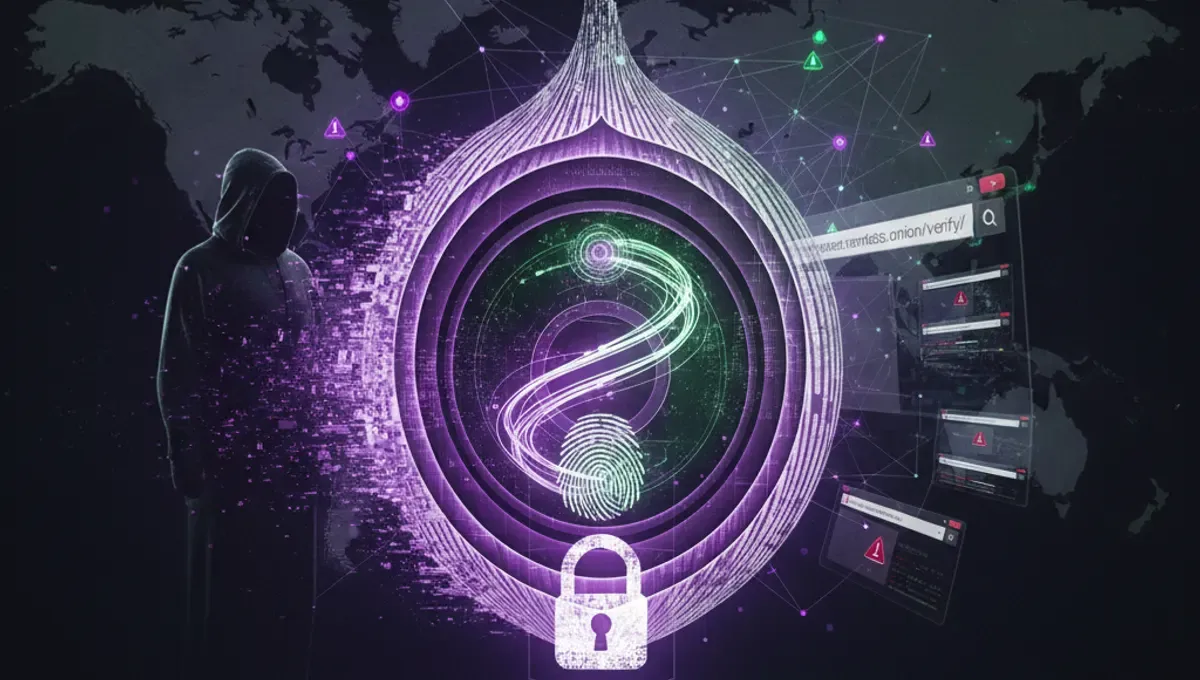
A v3 onion address is a 56-character alphanumeric string that identifies a hidden service on the Tor network with enhanced security compared to older v2 addresses. V3 addresses use stronger cryptography (Ed25519 keys instead of RSA) and are resistant to brute-force attacks and impersonation. Most modern darknet markets have migrated to v3 addresses because they provide better protection against address spoofing and phishing clones. The address format appears as a random string followed by .onion, for example: thisisaverylongv3addressexample123456789abcdef.onion. V3 addresses are harder to remember than domain names, which is why many markets maintain mirrors and provide address verification through PGP-signed announcements. When accessing a darknet market, you should verify the v3 address against official sources before entering credentials or sending funds. Bookmarking the correct address and cross-referencing it with community resources reduces the risk of accidentally visiting a phishing clone that mimics the legitimate market's interface.
How to Identify Phishing Clones and Verify Legitimate Darknet Market Addresses
Phishing clones are fraudulent copies of legitimate darknet markets designed to steal credentials, cryptocurrency, or personal information. They often use similar names, layouts, and branding to deceive users into thinking they are accessing the real market. To verify a legitimate market address, follow these steps:
- Obtain the official v3 address from multiple independent sources (community forums, archived announcements, verified marketplace directories).
- Check if the address is signed with the market operator's PGP public key, which can be verified through the operator's official channels.
- Compare the SSL certificate fingerprint if the market displays one (though many onion markets do not use SSL).
- Look for consistency in the market's branding, user interface, and vendor reputation history.
- Verify that the market's announcement channels (if any) match the address you are visiting.
Common red flags include newly registered addresses, markets claiming to be "back online" after a shutdown without proper verification, and sites requesting unusual personal information during registration. Phishing clones often have slightly different URLs (one character off) or use homograph attacks with visually similar characters. Always bookmark the correct address after verifying it and avoid clicking links from untrusted sources.
What Operational Security Mistakes Compromise Anonymity on Darknet Markets?
Users accessing darknet markets frequently compromise their anonymity through preventable mistakes. Reusing the same username across multiple markets allows law enforcement and other actors to link accounts and build profiles. Enabling JavaScript in the Tor browser can expose your real IP address through browser exploits. Maximizing the browser window reveals your screen resolution, which can be used for fingerprinting. Logging into personal accounts or using identifying information while on Tor defeats the purpose of anonymity. Mixing Tor and non-Tor traffic on the same device (visiting clearnet sites without Tor) can leak your real IP. Storing cryptocurrency in wallets linked to your identity, then transferring it to market accounts, creates a traceable transaction history. Using the same email address across platforms allows correlation of accounts. Downloading files from markets without disabling plugins or using a dedicated virtual machine risks malware infection and metadata leakage. Discussing your market activities on social media or forums under any name that could be linked to you creates a permanent record. Proper OpSec requires compartmentalization: use a dedicated device or virtual machine, disable JavaScript, use a VPN before Tor only if necessary, and never mix anonymous and identified activity.
How Do Darknet Markets Process Payments and Maintain Transaction Privacy?
Darknet drug markets primarily use cryptocurrency for payments because it provides pseudonymity and operates independently of traditional financial institutions. Most markets accept Bitcoin or Monero, with Monero preferred by privacy-conscious users due to its mandatory ring signatures and stealth addresses that obscure transaction details. Markets typically use multi-signature escrow wallets where the market, buyer, and seller each hold a key required to release funds. When a buyer deposits cryptocurrency, it goes into escrow until the transaction is marked complete or a dispute is resolved. This system protects both parties but requires trust in the market operator not to steal funds. Some markets have experienced exit scams where operators disappear with customer deposits. Transaction privacy depends on how users acquire and spend cryptocurrency: coins purchased with identity verification and sent directly to market accounts create a traceable chain. Mixing services and privacy coins reduce traceability but add complexity and cost. Markets do not store transaction records on the blockchain in a way that directly identifies users, but law enforcement can subpoena exchange records and trace coins through blockchain analysis. The pseudonymous nature of cryptocurrency is not equivalent to anonymity.
What Legal and Illegal Activities Occur on Darknet Markets?
Darknet markets host both legal and illegal commerce. Legal activities include sale of books, privacy tools, digital services, and information that may be restricted in certain jurisdictions but are not inherently illegal. Illegal activities include trafficking in controlled substances, weapons, stolen data, counterfeit documents, and services related to fraud or hacking. The majority of visible market activity involves drug trafficking, which is why these platforms are commonly called drug markets. Law enforcement agencies worldwide prioritize disrupting markets involved in drug trafficking and weapons sales. Many darknet market operators have been arrested, prosecuted, and sentenced to lengthy prison terms. Markets are regularly shut down through coordinated law enforcement operations, though new markets emerge to replace them. Users should understand that purchasing illegal goods exposes them to criminal liability, law enforcement investigation, and fraud by vendors or market operators. The anonymity provided by Tor and cryptocurrency does not guarantee protection from prosecution. Jurisdictions vary in their enforcement priorities and penalties. Understanding the legal status of specific goods in your jurisdiction is essential before engaging with any darknet market.
Frequently asked questions
Are all onion markets drug markets?
No. While many onion markets focus on drug trafficking, the Tor network and .onion addresses host legitimate services including privacy-focused email, forums, news sites, and whistleblowing platforms. However, markets commonly referred to as darknet markets or onion markets are predominantly associated with illegal commerce, particularly drug sales.
Can law enforcement trace transactions on darknet markets?
Yes. Law enforcement can trace cryptocurrency transactions through blockchain analysis, subpoena exchange records, and conduct undercover operations on markets. Anonymity on Tor does not protect against investigation if users make mistakes with operational security or if law enforcement infiltrates market infrastructure. Many market operators and users have been prosecuted despite using Tor.
What is the difference between a v3 and v2 onion address?
V3 addresses use stronger cryptography (Ed25519) and are 56 characters long, while v2 addresses use weaker RSA keys and are 16 characters long. V3 addresses are resistant to brute-force attacks and address spoofing. Most modern darknet markets have migrated to v3 addresses for improved security. V2 addresses are deprecated and no longer supported by current Tor browser versions.
How do I verify a darknet market address is legitimate?
Obtain the official address from multiple independent sources, verify it against PGP-signed announcements from the market operator, and cross-reference it with community forums and verified marketplace directories. Bookmark the correct address and avoid clicking links from untrusted sources. Check for consistency in branding and vendor reputation history. Be cautious of newly registered addresses or markets claiming to be back online without proper verification.
What happens if I access a phishing clone of a darknet market?
Phishing clones steal login credentials, cryptocurrency, or personal information. If you enter credentials on a clone, the attacker gains access to your account on the legitimate market and can steal your funds or data. If you send cryptocurrency to a clone's address, the funds are lost. Always verify the v3 address before logging in or sending money, and use bookmarks rather than clicking links.