What Was Hydra Market and How Did It Operate
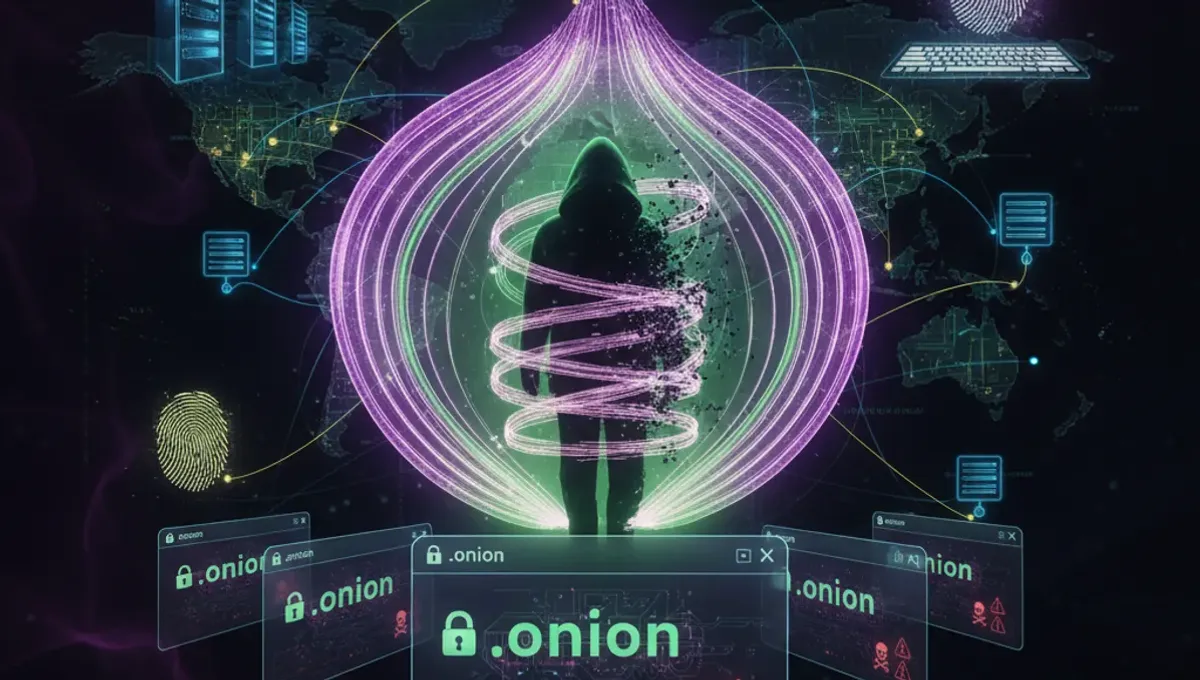
Hydra Market emerged around 2015 as a successor to earlier Russian darknet platforms. It operated as a marketplace accessible only through Tor, using an .onion address that changed periodically to evade detection. The platform used escrow systems to hold funds during transactions, taking a commission on each sale. Vendors could list products ranging from drugs to forged documents, while buyers maintained pseudonymity through cryptocurrency payments. The marketplace employed Russian as its primary language and catered almost exclusively to users in Russia and former Soviet states. Hydra's infrastructure relied on distributed hosting across multiple servers and used operational security practices common to darknet markets, including PGP encryption for communications between vendors and buyers.
How Hydra Compared to Other Darknet Markets
Hydra Market differed from platforms like Alphabay Market in its geographic focus and user base. While Alphabay served a global audience with English-language interfaces, Hydra concentrated on Russian-speaking communities and regional markets. Alphabay operated from roughly 2014 to 2017 before law enforcement shut it down; Hydra persisted longer, operating for approximately seven years. Both used similar technical infrastructure—Tor routing, escrow systems, and cryptocurrency transactions—but Hydra maintained stricter vendor vetting and community moderation specific to Russian criminal networks. The marketplace's longevity stemmed partly from its regional isolation and the difficulty Western law enforcement faced in penetrating Russian-language darknet communities. Unlike some markets that accepted multiple cryptocurrencies, Hydra primarily used Bitcoin and Monero.
The Role of Tor Routing in Hydra's Operations
Hydra Market relied on Tor's routing architecture to conceal both user and server locations. When users accessed Hydra through the Tor Browser, their traffic passed through multiple relays before reaching the marketplace's .onion address, making IP-based identification extremely difficult. The marketplace itself hosted its servers in ways that obscured their physical location, using Tor exit nodes and potentially distributed infrastructure across multiple jurisdictions. This technical setup meant that even if law enforcement identified the .onion address, locating the actual servers required sophisticated network analysis or cooperation from hosting providers. However, Tor's anonymity is not absolute; law enforcement agencies developed techniques to correlate traffic patterns, identify server locations through timing analysis, and work with international partners to trace cryptocurrency transactions back to real-world identities.
Law Enforcement Takedown and Server Seizure
In April 2022, the U.S. Department of Justice and German law enforcement executed a coordinated operation that seized Hydra Market's infrastructure. German authorities located and shut down the marketplace's servers, while U.S. prosecutors charged the alleged operator and seized approximately 25 million dollars in cryptocurrency linked to the platform. The takedown followed months of investigation into Hydra's financial flows and server locations. Law enforcement used multiple investigative techniques, including blockchain analysis to track cryptocurrency transactions, cooperation with hosting providers to identify server locations, and international coordination between agencies. The seizure included not only the active marketplace but also backup servers and cryptocurrency wallets. This operation demonstrated that despite Tor's anonymity protections, persistent investigation combining technical analysis, financial tracking, and international cooperation can identify and dismantle even long-running darknet operations.
Phishing Clones and Fraud After Hydra's Closure
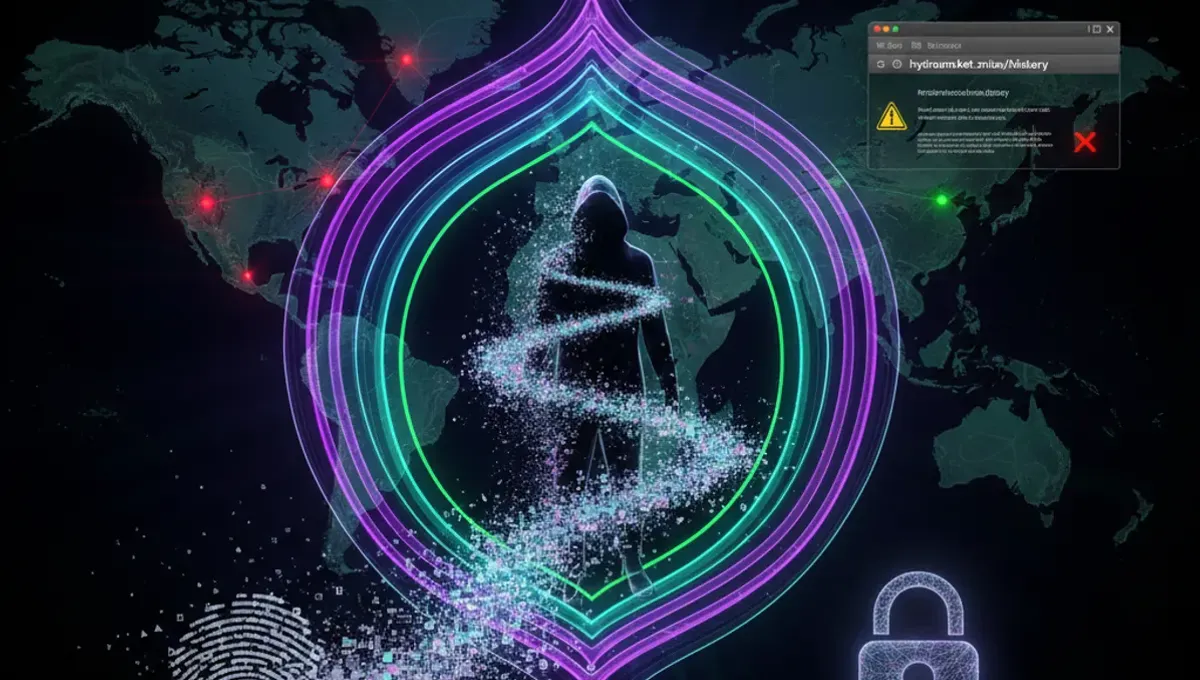
Following Hydra Market's shutdown, scammers created fake Hydra clones to exploit users seeking the original marketplace. These phishing sites mimicked Hydra's interface and claimed to restore access to user accounts or funds, but instead harvested login credentials and cryptocurrency. Users attempting to access Hydra through search results or bookmarks risked landing on fraudulent mirrors controlled by attackers. Distinguishing genuine onion addresses from clones requires verifying addresses through multiple independent sources, checking PGP signatures if the marketplace publishes them, and avoiding links from unverified forums or social media. After Hydra's closure, no official successor marketplace emerged with the same infrastructure or user base; instead, users migrated to other Russian-language platforms or international darknet markets. The proliferation of clones underscores a critical operational security principle: always verify .onion addresses independently before entering credentials or sending funds.
Cryptocurrency Tracing and Financial Investigation
Hydra Market's reliance on Bitcoin and Monero made it vulnerable to financial investigation despite cryptocurrency's pseudonymity. Law enforcement agencies developed blockchain analysis techniques that track Bitcoin transactions across exchanges and wallets, correlating on-chain activity with real-world identities through exchange records and transaction patterns. Monero, designed with stronger privacy features than Bitcoin, offered better anonymity but still left traces through transaction volumes and timing. Investigators working on the Hydra case used cryptocurrency exchange cooperation, subpoenas for user records, and transaction pattern analysis to link marketplace activity to specific individuals. The seizure of Hydra's cryptocurrency holdings required identifying wallets controlled by the marketplace operator and obtaining private keys or cooperation from exchanges holding funds. This financial investigation component proved as critical as server seizure; without tracing and freezing cryptocurrency, operators could simply rebuild infrastructure elsewhere.
Lessons About Darknet Market Longevity and Risk
Hydra Market's seven-year operation followed by sudden closure illustrates both the temporary nature of darknet platforms and the escalating risks operators face. The marketplace's regional focus and strong community moderation initially provided stability, but these same factors eventually concentrated law enforcement attention on a specific geographic area and language community. Markets that operate longer tend to accumulate more evidence, larger financial trails, and more informants within their communities. The Hydra takedown also demonstrated that international cooperation between U.S. and German authorities could overcome jurisdictional challenges that previously protected Russian-language darknet operations. For users, Hydra's closure serves as a reminder that no darknet marketplace offers permanent security; law enforcement capabilities continue improving, and even well-established platforms can disappear suddenly, leaving users unable to access funds or recover data.
Frequently asked questions
Is Hydra Market still operational
No. Hydra Market was shut down in April 2022 by U.S. and German law enforcement. The marketplace's servers were seized, and the operator was charged. While phishing clones claiming to restore Hydra access have appeared, the original marketplace no longer exists. Users should avoid any sites claiming to be Hydra or offering account recovery.
How did law enforcement find Hydra Market's servers
German authorities located Hydra's servers through a combination of network investigation, hosting provider cooperation, and international coordination with U.S. agencies. Law enforcement used blockchain analysis to track cryptocurrency transactions, which helped identify financial flows and infrastructure associated with the marketplace. The investigation took months and involved multiple jurisdictions.
What happened to users' funds on Hydra when it was seized
When Hydra was shut down, users lost access to any funds held in escrow or stored on the marketplace. Law enforcement seized cryptocurrency wallets associated with the platform. Users had no way to recover their money, as the marketplace operator's accounts were frozen and the platform's infrastructure was dismantled. This is a significant risk inherent to centralized darknet markets.
How can I verify if an .onion address is legitimate and not a phishing clone
Verify .onion addresses through multiple independent sources rather than relying on search results or forum links. Check if the marketplace publishes PGP signatures or official announcements from verified accounts. Compare the address against records from several unrelated sources. Be especially cautious after a marketplace closure, when scammers create fake mirrors. Never enter credentials or send funds without confirming the address through at least two independent channels.
Why did Hydra Market last longer than some other darknet markets
Hydra's regional focus on Russian-speaking users and its strong community moderation initially provided stability. The marketplace concentrated on a specific geographic area and language community, which reduced competition and law enforcement attention compared to global platforms. However, this same concentration eventually made it easier for authorities to focus investigative resources on a defined target, contributing to its eventual takedown.