What Is a Tor Darknet Market and How Does It Differ from Surface Web Commerce
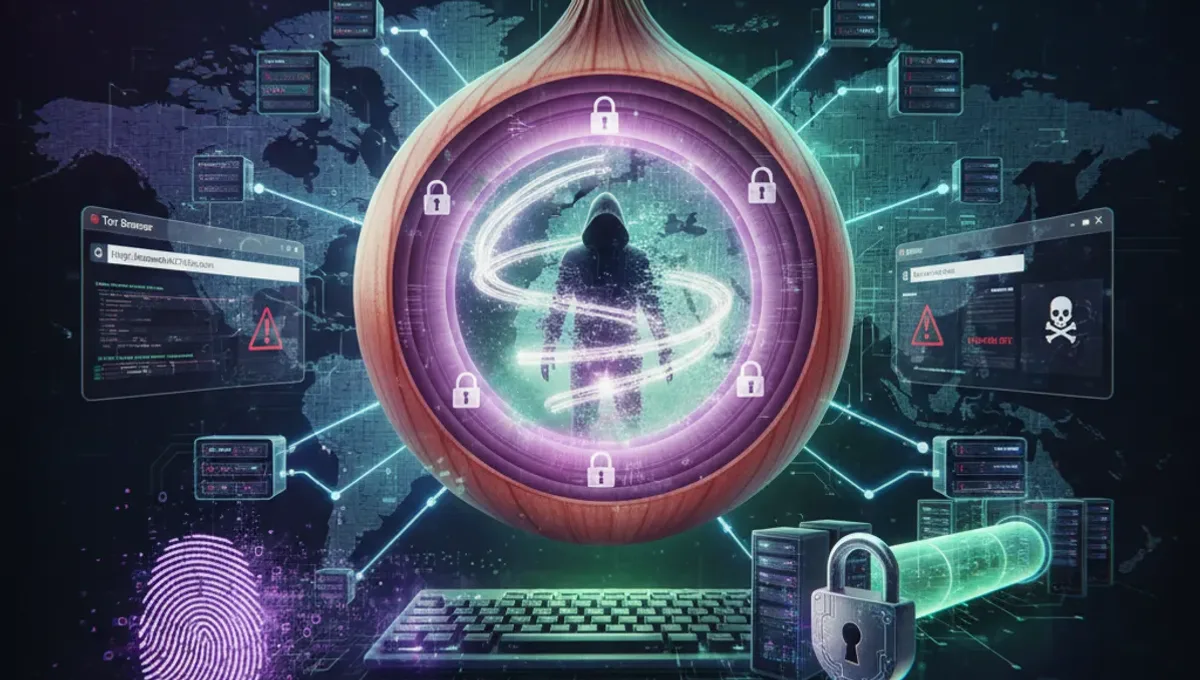
A Tor darknet market operates exclusively on the Tor network, accessible only through the Tor browser. Unlike conventional e-commerce sites, darknet markets use .onion addresses—special domain names generated by Tor's onion service protocol—that mask the server's physical location and IP address. The marketplace itself runs on hidden servers, and all communication between users and the platform is encrypted through multiple Tor relays. This architecture prevents ISPs, network administrators, and law enforcement from easily identifying either the marketplace operator or its users. Surface web marketplaces, by contrast, use standard domain names and operate on the clearnet with minimal anonymity protections. Darknet markets also typically employ escrow systems, multi-signature wallets, and cryptocurrency payments to further obscure transaction trails and reduce chargeback fraud.
How Tor Routing and Onion Addresses Enable Darknet Market Anonymity
Tor routes user traffic through a series of volunteer-operated relays, with each relay knowing only the previous and next hop in the circuit. When you connect to a Tor darknet market, your traffic passes through at least three relays before reaching the .onion address. The onion service protocol (also called hidden services) allows the marketplace server itself to remain hidden: the server does not need a public IP address or traditional domain registration. Instead, it generates a .onion address by publishing its public key to the Tor directory. When a user requests that address, Tor automatically establishes a rendezvous point with the hidden service without revealing the server's location. This multi-layer encryption and routing means that even if an attacker monitors network traffic, they cannot easily trace a user to a specific marketplace or trace the marketplace to a physical server. The v3 onion address format (56 characters) replaced the older v2 format and uses stronger cryptography to prevent address spoofing and brute-force attacks.
Key Technical Components of Tor Darknet Market Operations
Darknet markets typically incorporate several technical systems to function securely. Cryptocurrency wallets, usually Bitcoin or Monero, handle payments without requiring traditional banking infrastructure or identity verification. Escrow mechanisms hold funds in a multi-signature wallet until both buyer and seller confirm the transaction, reducing fraud. User accounts are pseudonymous and often require PGP key registration to prevent account takeover. Markets use .onion mirrors—duplicate sites hosted on separate .onion addresses—to maintain availability if the primary address is seized or attacked. Vendor bonds require marketplace participants to deposit cryptocurrency to prove legitimacy, though this does not guarantee honesty. Message encryption between users and vendors is often PGP-based, meaning communications remain private even if the marketplace database is compromised. Dispute resolution systems allow moderators to arbitrate disagreements without revealing user identities. These components work together to create an infrastructure resistant to conventional law enforcement techniques, though they do not guarantee user safety or prevent scams.
Identifying Legitimate Tor Darknet Market Addresses and Avoiding Phishing Clones
Phishing clones are fake marketplaces designed to steal cryptocurrency or credentials from users. They often use .onion addresses that visually resemble legitimate markets or are promoted through social media and forums. To verify a genuine marketplace address, users should obtain the official .onion URL from multiple independent sources—never from a single forum post or social media account. Legitimate marketplaces publish their official addresses on their own sites and sometimes on mirrors. PGP signature verification is critical: the marketplace operator should sign announcements with a specific PGP key, and that key should have a long history of use and community recognition. Check the key fingerprint against multiple sources to confirm it has not been spoofed. Legitimate markets also maintain consistent uptime, active moderator presence, and vendor reputation systems. Phishing sites often have poor design, broken features, or immediate requests for deposits. If a marketplace suddenly changes its .onion address without explanation or asks users to re-verify credentials, it may be compromised. Always verify addresses through official channels before entering credentials or sending funds.
Common Security Mistakes That Compromise User Anonymity on Darknet Markets
Users often undermine their own anonymity through operational security failures. Reusing usernames across the clearnet and darknet allows attackers to link identities. Disabling JavaScript in the Tor browser is essential because malicious scripts can reveal your real IP address; many users forget this step. Maximizing the browser window reveals screen resolution, which can be used to fingerprint users. Logging into personal email accounts or social media while using Tor creates a direct link between your anonymous and real identities. Downloading files without understanding their content can expose you to malware or tracking pixels. Torrenting over Tor is ineffective because BitTorrent leaks IP addresses regardless of Tor usage. Marketplace vendors who use poor operational security—such as reusing addresses across multiple markets or posting from the same location—can be identified and tracked by law enforcement. Users should assume that any information they provide to a marketplace, including shipping addresses for physical goods, may be compromised if the marketplace is seized. The Tor browser itself provides strong anonymity, but user behavior often defeats it.
Comparing Tor Darknet Markets with VPN and I2P Alternatives
Tor, VPN, and I2P are three different anonymity technologies with distinct strengths. Tor is designed for anonymity and censorship resistance; it routes traffic through volunteer relays and is difficult to block, though it is slower than VPNs. VPNs encrypt traffic and route it through a single provider's server, offering speed and convenience but requiring trust in the VPN operator and providing weaker anonymity than Tor. I2P is a peer-to-peer network designed for internal communication and file-sharing; it offers good anonymity for specific use cases but is less suitable for general web browsing. Darknet markets almost exclusively use Tor because .onion services are native to the Tor network and provide strong location hiding. VPN-based marketplaces are rare because VPN providers can be compelled to log user activity and reveal server locations. I2P marketplaces exist but are less common and have smaller user bases. For users seeking anonymity on the darknet, Tor is the established standard. However, Tor is not a magic solution: it protects against network-level surveillance but does not protect against malware, phishing, or user error.
Legal and Illegal Uses of Tor Darknet Markets
Tor darknet markets host both legal and illegal commerce. Legal uses include selling books, software, and services in countries with heavy censorship, hosting whistleblower platforms, and operating privacy-focused communication services. Journalists and activists use darknet markets to access information and tools in restrictive regimes. Illegal uses include trafficking in drugs, weapons, stolen data, and counterfeit goods. Law enforcement agencies worldwide actively investigate darknet markets, and numerous high-profile marketplace seizures have resulted in arrests and prosecutions. Using a Tor darknet market to purchase illegal goods is a crime in most jurisdictions, regardless of the anonymity provided by Tor. Hosting a marketplace that facilitates illegal transactions can result in charges including money laundering, conspiracy, and distribution of controlled substances. Tor itself is legal to use in most countries, and accessing the Tor network for lawful purposes is protected in many jurisdictions as a form of free expression. However, the legality of specific marketplace activities depends on local law and the nature of the transaction. Users should understand that Tor anonymity does not provide legal immunity.
Frequently asked questions
Is it legal to access a Tor darknet market
Accessing Tor and viewing a darknet market is legal in most countries. However, purchasing illegal goods or services through these markets is a crime. Tor itself is legal to use for lawful purposes, including privacy protection and accessing censored information. The legality of specific marketplace activities depends on local law and the nature of the transaction.
How do I verify that a .onion address is legitimate and not a phishing clone
Obtain the official .onion address from multiple independent sources, never from a single post. Verify the marketplace operator's PGP signature on announcements and check the key fingerprint against multiple sources. Legitimate markets maintain consistent uptime, active moderation, and vendor reputation systems. Phishing sites often have poor design or request immediate deposits. Always verify addresses through official channels before entering credentials.
What is the difference between v2 and v3 onion addresses
V2 onion addresses are 16 characters long and use older cryptography. V3 addresses are 56 characters and use stronger encryption, making them resistant to brute-force attacks and address spoofing. V3 is the current standard and provides better security. Most modern Tor darknet markets have migrated to v3 addresses.
Can law enforcement track users on Tor darknet markets
Tor provides strong network-level anonymity, but law enforcement can identify users through operational security failures, malware, or by compromising the marketplace itself. Users who reuse usernames, maximize browser windows, or provide personal information can be linked to their real identities. Marketplace seizures have resulted in arrests when users failed to maintain proper anonymity practices.
Why do darknet markets use cryptocurrency instead of traditional payment methods
Cryptocurrency transactions do not require identity verification or traditional banking infrastructure, making them difficult to reverse or trace through conventional financial systems. Bitcoin and Monero provide pseudonymous payment channels that align with the anonymity goals of darknet markets. Traditional payment methods would require identity disclosure and create audit trails that law enforcement could follow.