What Was Wall Street Market on the Darknet
Wall Street Market operated as a centralized darknet marketplace accessible through Tor, functioning similarly to conventional e-commerce platforms but hosted on the dark web. The marketplace facilitated transactions between vendors and buyers using cryptocurrency for payment and escrow services to reduce fraud. It maintained user accounts, vendor storefronts, and a dispute resolution system. The platform gained prominence after other major marketplaces faced law enforcement action, attracting thousands of users and vendors. Wall Street Market's infrastructure relied on onion routing to mask user locations and transactions. The marketplace employed multi-signature wallets and held cryptocurrency in escrow during transactions. Unlike decentralized alternatives, Wall Street Market operated as a single point of access, making it vulnerable to both technical compromise and law enforcement intervention.
How Wall Street Market Used Tor and Onion Addresses
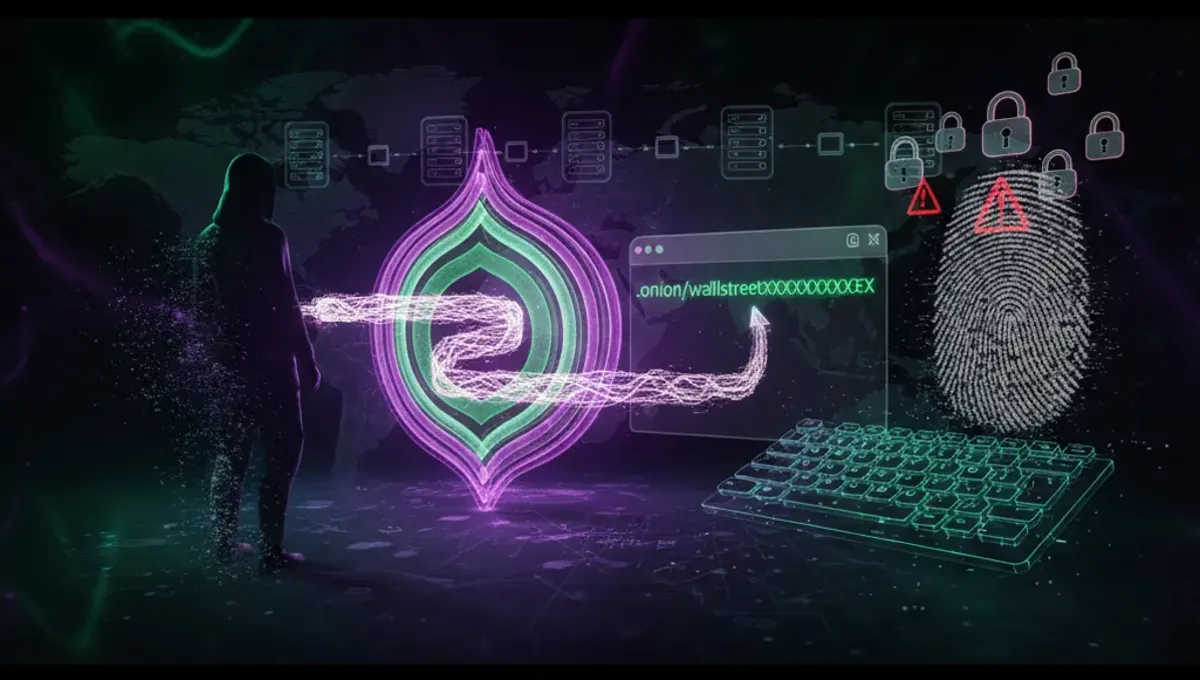
Wall Street Market operated through a .onion address, which is a special-use top-level domain that routes traffic exclusively through the Tor network. When users accessed the marketplace, their connection passed through multiple Tor relays, encrypting traffic at each hop and obscuring the user's IP address. The onion address itself was a v2 or v3 identifier—a long alphanumeric string generated from the marketplace's cryptographic keys. This addressing scheme meant the marketplace had no conventional DNS entry and could not be accessed through standard browsers. Users needed the Tor Browser to connect. The marketplace operators could move the service to new onion addresses if the previous one faced blocking or law enforcement action. This technical architecture provided operational resilience but also created a single point of failure if the underlying server infrastructure was seized.
The Shutdown and Law Enforcement Action
Wall Street Market was shut down in 2020 following coordinated law enforcement operations. Authorities seized the marketplace's servers and arrested individuals allegedly responsible for operating the platform. The shutdown demonstrated that even markets using Tor and onion addresses remain vulnerable to investigation and takedown. Law enforcement agencies used transaction analysis, cryptocurrency tracing, and operational security failures by marketplace administrators to identify and locate the infrastructure. The marketplace's centralized nature—operating from specific servers in physical locations—made it a concrete target for seizure. Following the shutdown, users lost access to their accounts, cryptocurrency held in escrow, and vendor storefronts. The incident highlighted the difference between anonymity tools like Tor and actual operational security; using Tor alone does not guarantee immunity from law enforcement.
Identifying Phishing Clones and Fraudulent Mirrors
After Wall Street Market's closure, fraudulent clones and phishing sites emerged claiming to be the marketplace or its successor. These fake sites mimicked the original interface to steal login credentials, cryptocurrency, or personal information from users. Distinguishing legitimate mirrors from phishing clones requires verification steps. Legitimate marketplace mirrors are typically announced through official channels—verified social media accounts, PGP-signed statements, or established community forums. Phishing sites often use similar but slightly different onion addresses, relying on user error or typos. Users should verify onion addresses through multiple independent sources before accessing any marketplace. PGP signature verification of official announcements provides cryptographic proof of authenticity. Legitimate mirrors maintain consistent design and functionality with the original platform. Fraudulent sites may contain spelling errors, broken functionality, or unusual requests for information. Never enter credentials or send cryptocurrency to any site without confirming its authenticity through official channels.
Common Operational Security Mistakes That Led to Compromise
Wall Street Market administrators made several operational security errors that contributed to their identification and arrest. These mistakes included reusing usernames across platforms, maintaining inadequate server security practices, and failing to properly anonymize their own activities. Some operators accessed the marketplace infrastructure without sufficient Tor protection, exposing their IP addresses. Poor cryptocurrency mixing practices left transaction trails that analysts could follow. The marketplace stored user data and transaction records on servers without adequate encryption or compartmentalization. Administrators communicated through channels that were not properly secured, allowing law enforcement to intercept communications. These failures demonstrate that running a darknet marketplace requires more than just hosting on Tor; it demands rigorous operational security across all activities. Users should understand that marketplace operators themselves are frequent targets of law enforcement, and the closure of a marketplace puts all user data at risk of seizure and analysis.
Comparing Tor, VPN, and I2P for Darknet Access
Tor, VPN, and I2P are three distinct technologies for anonymity and privacy, each with different strengths and limitations. Tor routes traffic through multiple relays operated by volunteers, providing strong anonymity guarantees but slower speeds. VPNs encrypt traffic to a single provider's server, offering privacy from ISPs but requiring trust in the VPN operator. I2P is an alternative network designed for internal communication with different routing properties than Tor. For accessing darknet marketplaces, Tor is the standard because onion addresses only function within the Tor network. VPNs do not provide access to .onion sites and should not be used as a replacement for Tor. Some users combine Tor with VPN for additional layers, though this adds complexity and potential vulnerabilities. I2P operates separately from Tor and has its own hidden services, but mainstream darknet marketplaces use Tor exclusively. Each technology has different threat models; Tor protects against network-level surveillance, VPNs protect against ISP monitoring, and I2P focuses on peer-to-peer communication. Understanding these differences helps users choose appropriate tools for their specific security needs.
Why Centralized Darknet Markets Remain Vulnerable
Centralized marketplaces like Wall Street Market operate from specific physical locations, making them inherently vulnerable to law enforcement despite using Tor. The marketplace must maintain servers, backups, and administrative infrastructure in the physical world. These servers generate logs, store user data, and require maintenance—all activities that create investigative opportunities. Decentralized alternatives distribute data across multiple nodes, reducing the impact of any single seizure. However, decentralized platforms sacrifice user experience, transaction speed, and dispute resolution capabilities. Law enforcement agencies have developed sophisticated techniques for identifying marketplace infrastructure through network analysis, cryptocurrency tracing, and operational security failures. The centralized model provides better user experience but concentrates risk; if the central server is seized, all users lose access simultaneously. This trade-off between usability and resilience remains a fundamental challenge in darknet marketplace design. Users should understand that using a centralized marketplace means trusting the operators' security practices and accepting the risk that the entire platform could be shut down without warning.
Frequently asked questions
Is Wall Street Market still operational
No. Wall Street Market was shut down in 2020 following law enforcement action. The marketplace's servers were seized and individuals operating the platform were arrested. Any site claiming to be Wall Street Market or its successor should be treated as a phishing clone. Users should verify any marketplace through official channels before accessing it.
How did authorities find and shut down Wall Street Market
Law enforcement used cryptocurrency transaction analysis, operational security failures by marketplace administrators, and network investigation techniques to identify the marketplace infrastructure. The centralized nature of the marketplace—operating from specific physical servers—made it a concrete target for seizure. Authorities arrested individuals allegedly responsible for operating the platform.
What should I do if I had funds on Wall Street Market when it shut down
Funds held in escrow or user accounts were lost when the marketplace was seized. Law enforcement seized the servers and cryptocurrency. Users have no recovery mechanism. This risk applies to all centralized darknet marketplaces; users should understand that marketplace closure means permanent loss of funds held on the platform.
How can I verify a legitimate darknet marketplace mirror
Verify through multiple independent sources: check official PGP-signed announcements, established community forums, and verified social media accounts. Confirm the onion address matches official sources exactly. Legitimate mirrors maintain consistent design and functionality. Never enter credentials or send cryptocurrency without verifying authenticity through official channels first.
Why is Tor alone not enough to protect darknet marketplace users
Tor provides network-level anonymity, but marketplace operators must maintain servers in the physical world. Poor operational security by administrators, cryptocurrency tracing, and transaction analysis can expose marketplace infrastructure. Users also face risks from phishing, malware, and law enforcement investigation of the marketplace itself.