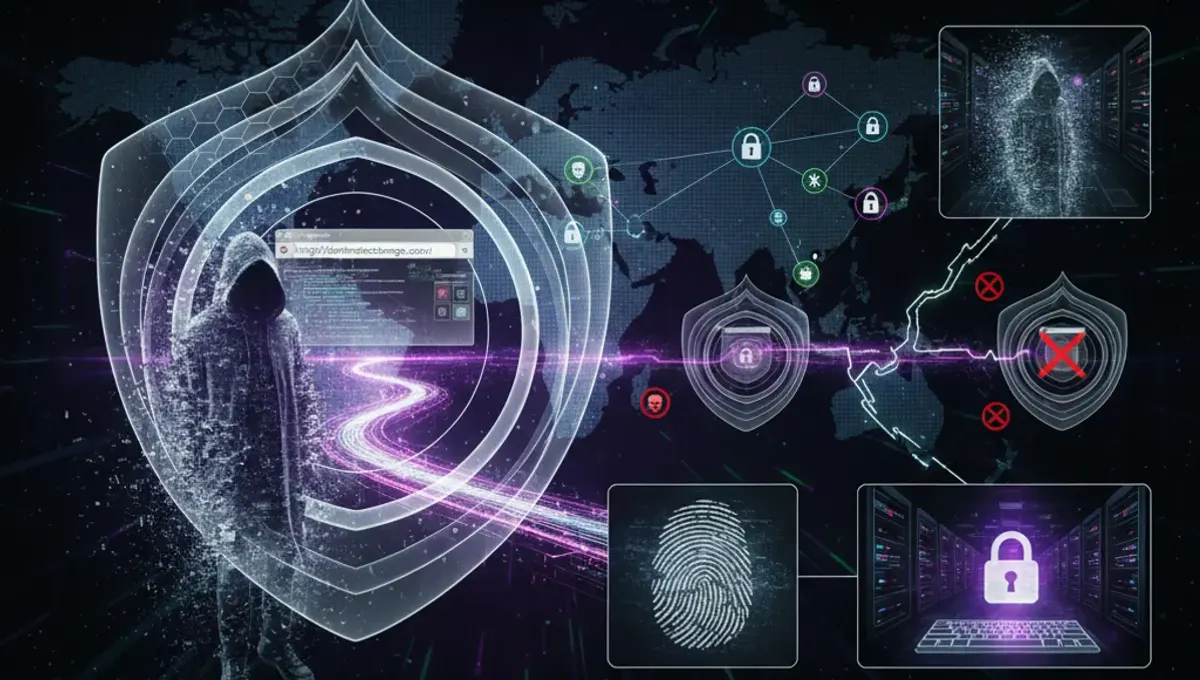
How Darknet Markets Differ from Surface Web Marketplaces
Darknet markets operate on decentralized networks, primarily Tor, which routes traffic through multiple relays to mask IP addresses and geographic location. Unlike Amazon or eBay, darknet marketplaces are not indexed by standard search engines and require knowledge of specific .onion addresses to access. Users connect through the Tor browser, which encrypts traffic and prevents ISPs or network administrators from seeing which sites are visited. Transactions often use cryptocurrency to further obscure financial trails. The anonymity layer creates both legitimate privacy use cases and opportunities for illegal activity. Darknet markets typically employ escrow systems, reputation ratings, and vendor verification to build trust among users who cannot rely on traditional legal recourse or business registration.
The Role of Tor and .onion Addresses in Darknet Markets
Tor is a network protocol that anonymizes internet traffic by routing it through a series of volunteer-operated relays. Each relay removes one layer of encryption, so no single node knows both the user's origin and destination. Darknet markets use .onion addresses, which are special domain names generated from cryptographic keys and only accessible through Tor. These addresses are typically long, random strings of characters followed by .onion. When you connect to a darknet market, your traffic is encrypted end-to-end and routed through multiple Tor nodes, making it extremely difficult to trace the connection back to your device. The Tor Project, which maintains the Tor network, publishes technical documentation explaining how onion routing works. Darknet market operators host their services on Tor hidden services, which provide both anonymity to the operator and to users accessing the marketplace.
Legal and Illegal Uses of Darknet Markets
Darknet markets serve legitimate purposes for users in countries with censorship or surveillance, enabling access to information, privacy-focused communication tools, and goods restricted by authoritarian regimes. Privacy advocates, journalists, and activists use darknet infrastructure to protect sensitive work. However, darknet markets are also used for trafficking contraband, stolen data, weapons, and drugs. Law enforcement agencies worldwide monitor darknet activity and have successfully shut down major marketplaces and arrested operators. The 2022 darknet market landscape saw increased law enforcement action against established platforms. Notable historical cases include Alphabay darknet market and Agora darknet market, both of which were dismantled by authorities. The Aero market darknet and other platforms have similarly faced takedowns. Users should understand that accessing a darknet market does not guarantee legal protection; the anonymity provided by Tor does not shield users from prosecution if they engage in illegal transactions or activities.
How Darknet Market Transactions Work
Darknet market transactions typically follow this process: users create accounts using pseudonyms, browse vendor listings, and place orders using cryptocurrency such as Bitcoin or Monero. Most markets employ an escrow system where payment is held by the marketplace until the buyer confirms receipt of goods. Vendors maintain reputation scores based on customer reviews, similar to surface web e-commerce platforms. Disputes are resolved through marketplace administrators or automated systems. Cryptocurrency transactions are pseudonymous but not completely anonymous; blockchain analysis can sometimes trace transactions if users are not careful about wallet hygiene. Many darknet markets require PGP encryption for sensitive communications between buyers and vendors. Users must verify PGP signatures to ensure they are communicating with legitimate vendors and not phishing clones. The decentralized nature of these markets means there is no central authority to regulate quality, safety, or legality of goods.
Identifying Phishing Clones and Fraudulent Darknet Markets
Phishing clones are fake copies of legitimate darknet markets designed to steal cryptocurrency and personal information from users. These fraudulent sites mimic the appearance and functionality of established marketplaces but redirect funds to scammers. To distinguish genuine onion mirrors from phishing clones, users should verify the official .onion address through multiple independent sources and check PGP signatures published by marketplace administrators. Legitimate darknet markets publish their official addresses and PGP keys on their own sites and through trusted community channels. Users should never rely on links shared in forums or chat rooms without verification. Common red flags include poor site design, spelling errors, requests for payment outside the escrow system, and lack of vendor reputation history. The Darkweb site maintains a Verified Marketplaces page with information about established platforms and their security practices. Always cross-reference any marketplace address before conducting transactions.
Operational Security and Anonymity Risks on Darknet Markets
Using darknet markets safely requires strict operational security practices. Common mistakes that compromise anonymity include using the same username across multiple platforms, maximizing the Tor browser window to reveal screen resolution, running plugins or extensions that bypass Tor, and connecting to darknet markets over an unencrypted connection. Users should keep their Tor browser updated to the latest version, as older versions may contain security vulnerabilities. Disabling JavaScript in the Tor browser reduces the risk of malicious scripts revealing IP addresses. Users should never maximize their browser window or change default settings that could fingerprint their device. Cryptocurrency transactions should use privacy coins or coin mixing services to avoid blockchain analysis. Metadata from files downloaded from darknet markets can reveal identifying information; users should sanitize files before opening them. Law enforcement has successfully de-anonymized darknet users by exploiting operational security failures rather than breaking Tor itself.
Tor, VPN, and I2P: Comparing Anonymity Networks
Tor, VPN, and I2P are three distinct anonymity technologies with different strengths. Tor routes traffic through multiple volunteer-operated relays, providing strong anonymity for general web browsing and hosting hidden services like darknet markets. VPNs encrypt traffic and route it through a single provider's server, offering privacy from ISPs but requiring trust in the VPN operator. I2P is a decentralized network designed for peer-to-peer communication and file sharing, with different routing architecture than Tor. Tor is the primary network used by darknet markets because it supports hidden services with .onion addresses. VPNs are faster than Tor but do not provide the same level of anonymity for accessing hidden services. I2P is less widely used for marketplace activity but offers advantages for certain privacy applications. Each network has different threat models and use cases; Tor is specifically designed for anonymity, while VPNs prioritize privacy and encryption. Users should understand the differences before choosing which network to use.
Frequently asked questions
Is it illegal to access a darknet market?
Accessing a darknet market itself is not illegal in most jurisdictions; using Tor and visiting .onion sites is legal. However, purchasing illegal goods or services through darknet markets is a crime. Law enforcement monitors darknet activity and has successfully prosecuted users engaged in illegal transactions. Anonymity provided by Tor does not protect users from prosecution.
Can law enforcement trace darknet market users?
Law enforcement cannot easily break Tor's encryption, but they can de-anonymize users through operational security failures, malware, or by monitoring cryptocurrency transactions. Agencies have successfully shut down major darknet markets and arrested operators and users. Blockchain analysis can sometimes trace cryptocurrency payments. Users who follow strict security practices are harder to identify, but no system is completely risk-free.
What is the difference between a darknet market and the dark web?
The dark web refers to any content on the internet that is not indexed by search engines, including private networks and encrypted communications. Darknet markets are specific e-commerce platforms hosted on the dark web, typically on Tor. The dark web is broader and includes forums, messaging services, and other content beyond just marketplaces.
How do I know if a darknet market is legitimate?
Verify the official .onion address through multiple independent sources and check PGP signatures published by the marketplace. Legitimate markets maintain consistent addresses, have vendor reputation systems, and publish security information. Phishing clones often have poor design and lack vendor history. The Darkweb Verified Marketplaces page provides information about established platforms.
What cryptocurrency should I use on darknet markets?
Bitcoin is widely accepted but leaves a traceable blockchain record. Privacy-focused cryptocurrencies like Monero provide better anonymity. Some markets accept multiple cryptocurrencies. Users should understand that cryptocurrency transactions are pseudonymous, not completely anonymous, and blockchain analysis can sometimes trace payments. Coin mixing services add additional privacy layers.