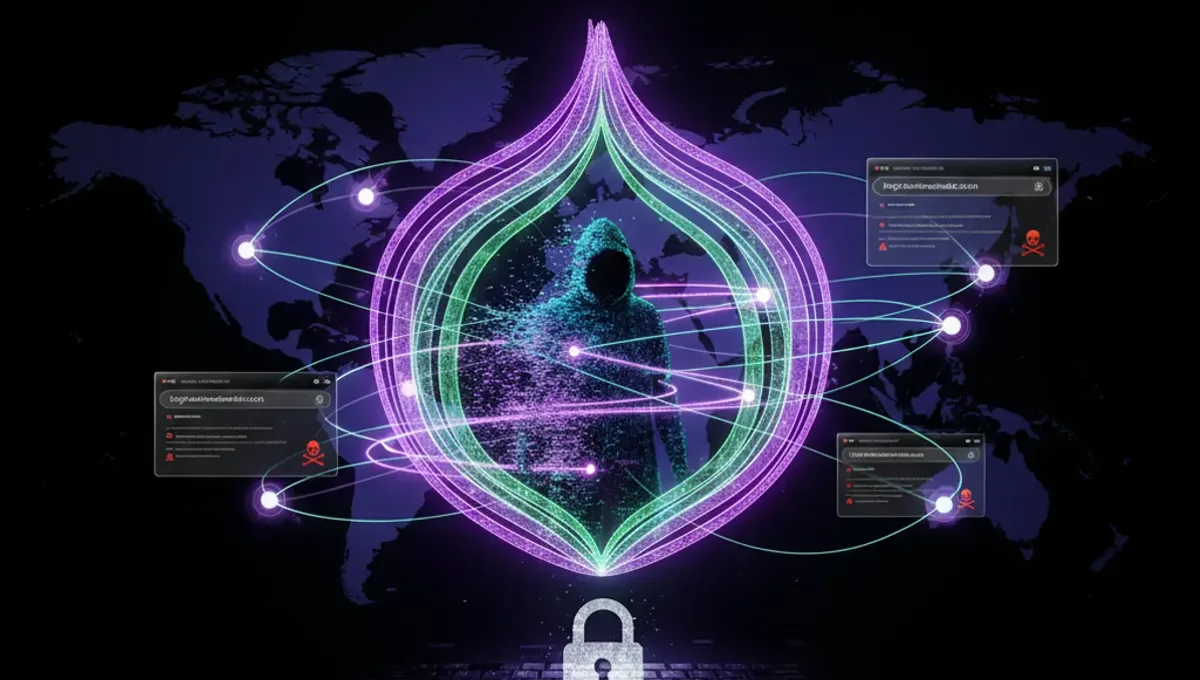
What Happened to Previous Darknet Markets
The darknet marketplace landscape has experienced repeated cycles of growth, consolidation, and collapse. Major platforms have disappeared through law enforcement takedowns, exit scams where operators vanish with user funds, or voluntary shutdowns by administrators. These events have created a pattern of distrust and caution among users. Each closure has led to migration waves, where users and vendors move to alternative platforms. The remaining markets today represent survivors of this attrition, though no marketplace has demonstrated permanent immunity from disruption. Understanding this history helps explain why current market operators emphasize security features, escrow systems, and reputation mechanisms to differentiate themselves from predecessors that failed.
How to Identify Currently Active Darknet Markets
Active darknet markets typically display consistent operational indicators: regular vendor activity, recent user posts and transactions, functional dispute resolution systems, and responsive administrator communication. Markets that remain accessible through their onion addresses for extended periods without service interruptions show signs of stability. However, activity alone does not guarantee legitimacy or security. Many active markets operate with minimal transparency about their infrastructure or operator identity. The most reliable way to assess current market status is through community discussions on forums and social platforms where users share real-time experiences. Checking whether a market's official PGP key matches documented versions helps verify you are accessing the genuine platform rather than a phishing clone. Markets that publish regular updates about security patches, maintenance windows, or policy changes demonstrate active management.
Distinguishing Genuine Onion Addresses from Phishing Clones
Phishing clones are fraudulent copies of legitimate darknet markets designed to steal login credentials, cryptocurrency, or personal information. They often use onion addresses that closely resemble the authentic address, relying on user carelessness or typos. To verify a genuine market address, follow these steps:
- Obtain the official onion address from multiple independent sources, such as the market's official announcement channels or verified community directories
- Cross-reference the address against archived versions or previous documentation to ensure consistency
- Check the market's PGP signature on announcements using the official public key
- Compare the SSL certificate fingerprint displayed in your Tor browser with documented versions
- Look for security indicators specific to the market, such as unique design elements or custom interface features that would be difficult for scammers to replicate accurately
Clones typically lack these verification elements and may display inconsistencies in branding, functionality, or response times. Never access a market through search results or third-party links; always navigate directly using a bookmarked or carefully verified address.
What Makes Current Markets Different from Predecessors
Modern active darknet markets have incorporated lessons from earlier platforms that were compromised or shut down. Enhanced security features now commonly include multi-signature escrow systems that require both buyer and seller approval before funds release, reducing the risk of operator theft. Many markets implement mandatory PGP encryption for sensitive communications, protecting user data from passive network monitoring. Reputation systems have become more sophisticated, with vendor ratings tied to transaction history and user reviews. Some markets now operate with distributed infrastructure or rotating server locations to complicate law enforcement takedowns. However, these improvements do not eliminate risk. Markets remain vulnerable to exit scams, where operators suddenly close and retain all held funds. They also face ongoing pressure from law enforcement agencies worldwide, which continue to develop techniques for identifying and prosecuting marketplace operators and major vendors.
Comparing Tor Marketplaces with VPN and I2P Alternatives
Tor remains the dominant network for darknet marketplaces because its three-layer onion routing architecture provides strong anonymity guarantees when properly configured. Tor's large user base creates better cover for marketplace traffic, making individual transactions harder to isolate. VPNs encrypt traffic between your device and a VPN server but do not provide the same level of anonymity as Tor, since the VPN provider can observe your activity. I2P is an alternative anonymity network designed for internal communication rather than browsing external internet content, making it less suitable for marketplace access. Some markets have experimented with I2P mirrors, but adoption remains limited. Tor's maturity, widespread adoption, and active development community make it the standard for darknet market infrastructure. However, Tor alone does not guarantee security; users must also practice operational security by avoiding browser fingerprinting, using updated software, and not combining Tor with identifying information.
Common Mistakes That Compromise Anonymity on Darknet Markets
Users accessing darknet markets often undermine their own anonymity through preventable errors. Reusing usernames across different platforms allows correlation attacks where observers link your activity across multiple services. Logging into personal email accounts or social media while connected to a marketplace session can expose your identity through browser fingerprinting or IP leaks. Running plugins or extensions in the Tor browser increases the attack surface and may leak identifying information. Uploading files to marketplaces without stripping metadata can reveal details about your device, location, or creation time. Conducting transactions in amounts or patterns that match your known financial activity creates a traceable link between your real identity and marketplace accounts. Engaging in marketplace disputes or support communications where you provide personal details defeats anonymity protections. The most critical mistake is assuming Tor provides complete anonymity without additional operational security measures. Tor protects your network traffic, but user behavior often reveals identity more effectively than technical vulnerabilities.
What to Verify Before Using Any Darknet Market
Before accessing or conducting transactions on any darknet market, verify several critical elements. Confirm the onion address matches official documentation through multiple independent sources. Review the market's security features, including escrow mechanisms, dispute resolution processes, and encryption requirements. Check community feedback on forums and discussion platforms to assess user experiences and identify patterns of fraud or poor service. Verify the market operator's PGP key against historical records to ensure consistency. Examine the market's uptime history and whether it has experienced previous shutdowns or security breaches. Understand the market's fee structure, withdrawal policies, and any geographic restrictions on vendors or buyers. Review the terms of service regarding account suspension, fund forfeiture, or data retention. Test the market with minimal funds before conducting larger transactions. Assess whether the market provides adequate documentation about its infrastructure, security practices, or operator background. No market should be trusted based solely on reputation; ongoing verification throughout your use is necessary to detect changes in operation, security compromises, or signs of an impending exit scam.
Frequently asked questions
How do I know if a darknet market is currently operational
An operational market displays consistent vendor activity, recent user transactions, functional dispute resolution, and responsive administrator communication. Check community forums for recent user reports and verify the onion address against multiple independent sources. Markets that publish regular security updates or maintenance announcements typically indicate active management. However, activity alone does not guarantee legitimacy; always verify the official PGP key and compare the onion address against documented versions to confirm you are accessing the genuine platform.
What is the difference between a phishing clone and a legitimate market
Phishing clones are fraudulent copies designed to steal credentials or funds. They use onion addresses resembling the authentic address and often lack security features like PGP verification or proper SSL certificates. Legitimate markets maintain consistent onion addresses, publish PGP-signed announcements, and display unique interface elements difficult to replicate. Verify authenticity by obtaining the official address from multiple sources, checking the PGP signature, and comparing SSL certificate fingerprints. Never access markets through search results; always use bookmarked or carefully verified addresses.
Can I use a VPN instead of Tor to access darknet markets
VPNs are not suitable replacements for Tor when accessing darknet markets. A VPN encrypts traffic to a single server but does not provide Tor's three-layer onion routing anonymity. The VPN provider can observe your activity and potentially link it to your real identity. Tor's distributed network and large user base provide better anonymity cover. Using a VPN with Tor is possible but adds complexity without significant security benefit for marketplace access. Tor remains the standard for darknet market infrastructure because of its anonymity guarantees and widespread adoption.
What operational security mistakes should I avoid on darknet markets
Avoid reusing usernames across platforms, logging into personal accounts during marketplace sessions, running browser plugins, uploading files with metadata, or conducting transactions in amounts matching your known financial activity. Do not provide personal details in marketplace disputes or support communications. Never assume Tor alone provides complete anonymity; combine it with careful user behavior. Test markets with minimal funds before larger transactions. Verify the onion address before every visit and maintain awareness of security compromises or operational changes that might indicate an impending exit scam.
Where can I find verified information about current darknet markets
Community forums and discussion platforms where users share real-time experiences provide the most reliable information about active markets. Cross-reference multiple sources to identify patterns and verify claims. Check archived versions of market announcements and PGP-signed communications from operators. Review the market's official documentation about security features and infrastructure. Consult our Verified Marketplaces page for current information on established platforms. Avoid relying on single sources or unverified claims; ongoing verification is necessary because the darknet marketplace landscape changes rapidly.