What Is a Darknet Drugs Market?
A darknet drugs market is a digital storefront hosted on the Tor network where vendors list controlled substances and buyers place orders anonymously. These markets function similarly to legitimate e-commerce platforms, with product listings, vendor profiles, customer reviews, and dispute resolution systems. The key difference is the use of cryptocurrency for payment and the deliberate anonymity of all parties involved. Markets typically operate on v3 .onion addresses, which provide stronger encryption than older v2 addresses. Vendors maintain reputation scores based on transaction history, and markets employ escrow systems where funds are held until delivery is confirmed. The marketplace operator takes a commission on each sale. These platforms exist in a constant state of flux—law enforcement agencies regularly identify and shut down major operations, leading vendors and users to migrate to successor markets or newly launched alternatives.
How Tor Routing Protects Market Anonymity
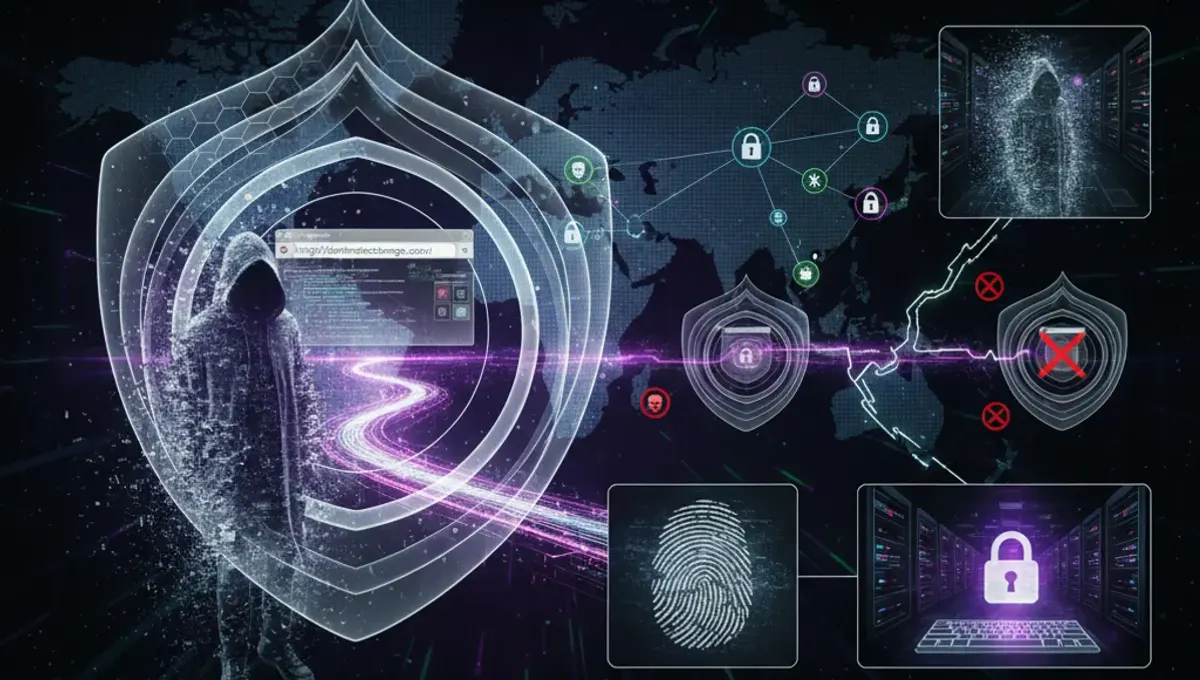
Darknet drugs markets rely on Tor's multi-layer encryption to hide user identity and location. When you connect to a .onion address, your traffic is routed through a series of volunteer-operated Tor nodes, with each layer decrypting only enough information to pass data to the next node. This means no single node can see both your IP address and the destination simultaneously. The final exit node sees the destination but not your originating IP. For darknet markets, this architecture prevents internet service providers, network administrators, and casual observers from identifying who is accessing the marketplace. The market server itself is hosted on a Tor hidden service, meaning its physical location is also concealed. However, this anonymity is not absolute—law enforcement has successfully de-anonymized users through traffic analysis, browser exploits, and operational security failures rather than breaking Tor's encryption itself.
Market Structure: Escrow, Vendors, and Reputation Systems
Darknet drugs markets operate using escrow mechanisms to reduce fraud between anonymous parties. When a buyer places an order, cryptocurrency payment is sent to the market's escrow wallet rather than directly to the vendor. The vendor receives notification and ships the product. Upon delivery, the buyer confirms receipt, triggering the market to release funds to the vendor. If the buyer disputes the transaction, market administrators arbitrate based on evidence. Vendors build reputation through successful transactions, with ratings displayed publicly. New vendors typically face skepticism and must complete multiple sales to establish credibility. Markets charge vendors listing fees and take a percentage commission on each transaction. Some markets offer vendor bonds—upfront payments required to list products—as a mechanism to deter scammers. Buyer accounts accumulate feedback history, though this is less visible than vendor ratings. This structure incentivizes honest dealing while remaining pseudonymous, though it does not eliminate the possibility of exit scams where market operators disappear with escrowed funds.
Phishing Clones and Verifying Legitimate Market Addresses
Phishing clones are fraudulent copies of legitimate darknet drugs markets designed to steal credentials and cryptocurrency. Attackers create nearly identical interfaces and promote fake .onion addresses through forums, social media, and search results. Users who log in to a clone unknowingly surrender their username, password, and wallet information. Verifying a legitimate market address requires multiple steps. First, obtain the address from multiple independent sources—if only one source lists an address, treat it with suspicion. Second, check for PGP-signed announcements from market administrators on established forums and subreddits. The PGP signature proves the announcement came from the market operator's verified key. Third, examine the SSL certificate and onion address format; v3 addresses are 56 characters long and use only lowercase letters and numbers. Fourth, look for consistency in market design, messaging, and operator communication style across time. Bookmarking the correct address in your Tor browser prevents accidental navigation to clones. Never access a market through search results or links from untrusted sources.
Law Enforcement Takedowns and Market Lifecycle
Darknet drugs markets have a predictable lifecycle shaped by law enforcement action. Major markets typically operate for 2-4 years before being identified and shut down through coordinated international investigations. Law enforcement agencies use multiple techniques: purchasing test samples to trace shipping addresses, analyzing blockchain transactions to identify money flows, deploying network analysis tools to identify server locations, and recruiting informants within market communities. When a market is targeted, administrators and vendors face arrest, and seized cryptocurrency is forfeited. Notable takedowns have included operations where investigators worked backward from shipping packages to identify vendors, then used those vendors to identify market operators. After a major shutdown, users and vendors migrate to alternative markets or newly launched platforms. This cycle repeats because the underlying demand for anonymity and the technical feasibility of Tor hosting create continuous incentive for new markets to launch. However, each generation of market operators faces increased law enforcement sophistication and shorter operational windows.
Cryptocurrency and Transaction Traceability
Darknet drugs markets use cryptocurrency to enable pseudonymous transactions, but blockchain analysis has become increasingly effective at tracing funds. Bitcoin transactions, while pseudonymous, are permanently recorded on a public ledger. Investigators can track cryptocurrency movement between addresses, identify exchange deposit addresses, and correlate transactions with known market wallets. Privacy-focused cryptocurrencies like Monero offer stronger anonymity guarantees through ring signatures and stealth addresses, making transaction tracing significantly harder. Some darknet markets have adopted Monero as an option or primary payment method in response to blockchain analysis advances. However, converting cryptocurrency to fiat currency remains a chokepoint—exchanges require identity verification, creating a record that links pseudonymous cryptocurrency activity to real-world identity. Users who fail to properly tumble or mix cryptocurrency, or who deposit directly to personal exchange accounts, risk exposing their identity. Market operators who accumulate large cryptocurrency holdings face similar traceability risks when attempting to cash out.
Common Operational Security Failures
Users of darknet drugs markets frequently compromise their anonymity through operational security errors. The most common mistakes include reusing usernames across multiple platforms, which allows correlation of activity; logging into market accounts from the same Tor circuit used for other activities, which can leak identifying information; disabling JavaScript in the Tor browser and then re-enabling it for convenience, which exposes real IP addresses; using personal information in vendor shop names or product descriptions; and failing to use a dedicated virtual machine or operating system for market access. Vendors face additional risks by shipping from residential addresses, using personal information on packaging, or maintaining consistent shipping patterns that allow law enforcement to identify them. Mixing personal and market-related activities—such as discussing market activity on social media or forums where you use identifying information—creates linkages that investigators can follow. Proper operational security requires compartmentalization: dedicated devices or virtual machines for market access, consistent use of Tor without configuration changes, unique usernames unrelated to other online identities, and strict separation between market activity and personal life.
Frequently asked questions
Are all darknet markets used for drugs?
No. While drugs are a significant portion of darknet market activity, these platforms also facilitate sales of digital goods, stolen data, counterfeit documents, and other items. However, law enforcement prioritizes drug-related investigations, making drug markets the most visible and frequently targeted category of darknet commerce.
Can law enforcement shut down darknet drugs markets permanently?
Law enforcement can shut down individual market operations and arrest operators, but cannot permanently eliminate darknet markets as a category. The underlying technology—Tor and cryptocurrency—remains available, and new markets launch after takedowns. However, each shutdown disrupts activity, arrests key operators, and raises operational costs for remaining markets.
What is the difference between v2 and v3 onion addresses?
V2 addresses are 16 characters long and use older cryptography vulnerable to certain attacks. V3 addresses are 56 characters long and use stronger encryption. The Tor Project deprecated v2 addresses in 2021. Legitimate modern darknet markets use v3 addresses; v2 addresses indicate outdated or potentially fraudulent operations.
How do vendors on darknet markets avoid arrest?
Vendors attempt to avoid arrest through operational security measures: using dedicated devices, shipping from non-residential addresses, varying shipping patterns, using cryptocurrency mixers, and compartmentalizing their market activity from personal life. However, these measures are not foolproof—law enforcement has successfully identified and arrested vendors through package tracing, blockchain analysis, and informant cooperation.
What happens if a darknet market gets shut down?
When a market is shut down, users and vendors lose access to their accounts and any funds held in escrow. Some users migrate to alternative existing markets; others wait for new markets to launch. Market operators may be arrested and prosecuted. Users who conducted transactions may face investigation if law enforcement obtains transaction records or identifies them through other means.