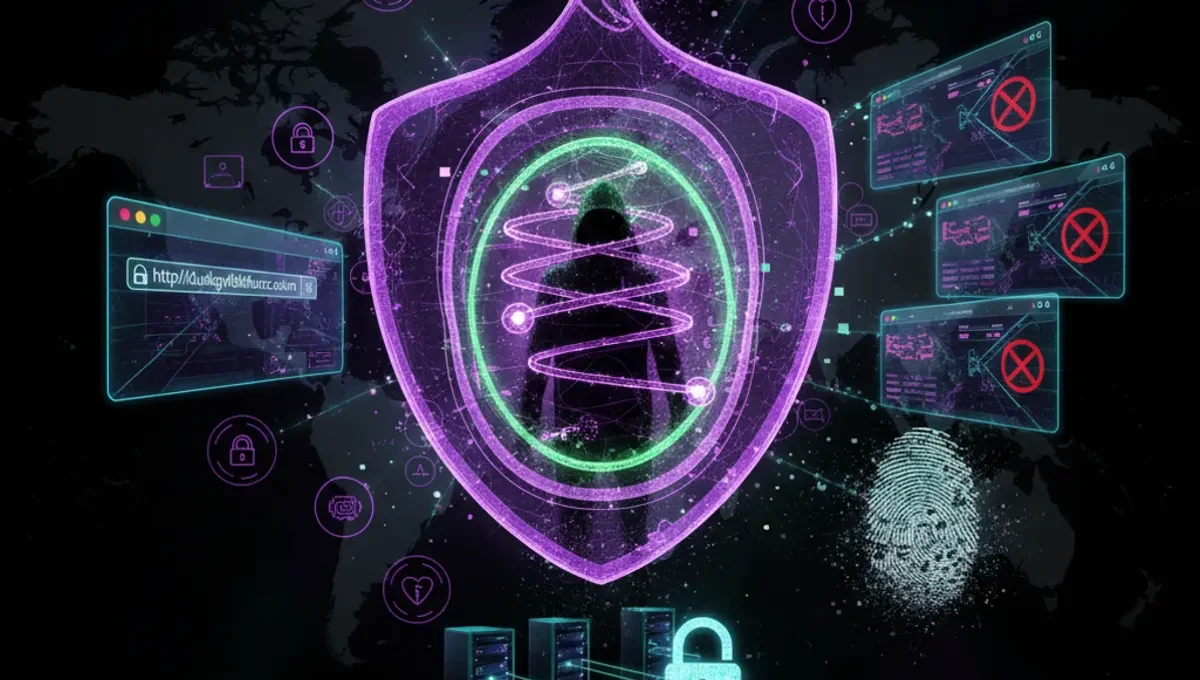
What Is Tor and Why Do People Use It?
Tor is free software that routes your internet traffic through multiple volunteer-operated servers, encrypting it at each layer. This process, called onion routing, masks your IP address and location from websites you visit. People use Tor for many lawful reasons: journalists protecting sources, activists in restrictive countries, privacy-conscious individuals, researchers studying internet censorship, and people avoiding commercial tracking. The Tor Project, a nonprofit organization, develops and maintains the software. Tor is not inherently designed for illegal activity, though it can be misused like any communication tool.
Legal Status of Tor in Different Countries
Tor is legal to download and use in the United States, United Kingdom, Canada, Australia, and most of Europe. No law prohibits possessing or running Tor software. However, a small number of countries restrict or block Tor access. China, Russia, Iran, and a few others have implemented technical barriers or legal restrictions, though even in these places the act of downloading Tor is not always explicitly criminalized. The legality depends on local laws, which change. If you live in a country with internet restrictions, research your local regulations before installing Tor. Using Tor to commit crimes—fraud, trafficking, hacking—remains illegal everywhere, regardless of the tool used.
How Does Tor Protect Your Identity?
Tor encrypts your traffic and routes it through at least three volunteer-run nodes before reaching its destination. Each node removes one layer of encryption, so no single node sees both your IP address and the website you're visiting. This three-layer system is why Tor is called onion routing. Your internet service provider sees that you are using Tor, but not which websites you access. Websites you visit see an exit node's IP address, not yours. This architecture makes it difficult—though not impossible—for adversaries to link your identity to your online activity. Tor does not make you completely anonymous if you reveal personal information or use identifying usernames.
Tor vs. VPN vs. I2P: Key Differences
Tor, VPN, and I2P are three different privacy technologies with distinct trade-offs. A VPN encrypts your traffic and routes it through a single server operated by a VPN provider; the provider can see your activity. Tor uses a decentralized network of volunteer nodes, so no single entity controls the entire path. I2P is designed for internal network communication and peer-to-peer activity rather than general web browsing. Tor is slower than a VPN because traffic passes through multiple nodes. Tor is free and open-source; most VPNs charge a fee. For accessing standard websites anonymously, Tor is stronger but slower. For general privacy against ISP tracking, a VPN is faster but requires trusting the provider. Each tool serves different purposes.
Legal Uses of Tor and Onion Services
Tor supports many lawful activities. Journalists use Tor to communicate securely with sources and access information in censored regions. Human rights organizations use Tor to help people in oppressive countries access uncensored news and communicate safely. Whistleblowers use Tor to report wrongdoing anonymously. Privacy advocates use Tor to protect their browsing from commercial tracking and surveillance. Researchers study internet censorship and network security using Tor. Activists organize and share information in countries with restricted internet. Tor also hosts legitimate onion services—websites accessible only through Tor—including archives, forums, and communication platforms. These uses are protected speech in most democracies. The existence of a tool does not determine its legality; the user's intent and actions do.
What Activities Are Illegal Regardless of Tor?
Using Tor does not make illegal activities legal. Crimes committed through Tor—drug trafficking, fraud, hacking, child exploitation, weapons sales—remain crimes. Law enforcement agencies worldwide investigate and prosecute criminal activity on the darknet. Using Tor to access a tor marketplace or tor darknet market for illegal goods is a crime. Hosting illegal content on an onion address is a crime. Tor provides anonymity, but it is not a legal shield. Many people have been arrested and convicted for crimes committed using Tor. Anonymity increases the difficulty of investigation but does not prevent it. If you use Tor to commit a crime, you are still subject to prosecution under the laws of your jurisdiction.
How to Download and Install Tor Safely
Download Tor Browser only from the official Tor Project website. Verify the download link and check the file signature to ensure authenticity. The process involves these steps:
- Visit the official Tor Project download page.
- Select the version for your operating system (Windows, macOS, Linux).
- Download the installer or bundle.
- Verify the file signature using the provided public key.
- Run the installer and follow the setup wizard.
- Launch Tor Browser and wait for it to connect to the Tor network.
Do not download Tor from third-party sites or mirrors unless you verify the signature. Phishing clones of the Tor download page exist; check the URL carefully. Once installed, Tor Browser routes all traffic through Tor automatically. Do not modify browser settings unless you understand the security implications, as custom configurations can compromise anonymity.
Frequently asked questions
Can I go to jail for downloading Tor?
No. Downloading Tor is legal in most countries. You cannot be prosecuted for possessing the software. However, using Tor to commit crimes—such as accessing illegal tor marketplaces or distributing contraband—can result in prosecution. The software itself is not illegal; criminal activity is.
Does my ISP know if I use Tor?
Your ISP can see that you are connecting to the Tor network, but it cannot see which websites you visit or what data you transmit. Some ISPs may throttle Tor traffic or flag it for monitoring, depending on local policies. Using Tor is not illegal, so ISP detection alone does not create legal risk.
Is accessing the dark web illegal?
Accessing the dark web via Tor is not illegal. The dark web is simply the portion of the internet accessible through Tor and other anonymity networks. What you do on the dark web determines legality. Viewing legal content is lawful. Accessing illegal tor darknet markets or illegal content is a crime.
Can Tor hide my activity from law enforcement?
Tor makes it difficult for law enforcement to identify you, but it does not make investigation impossible. Law enforcement has successfully investigated and prosecuted crimes committed over Tor by using technical analysis, metadata, user mistakes, and cooperation from service providers. Tor provides privacy, not immunity from law.
What is the difference between Tor and a VPN?
Tor routes traffic through multiple volunteer nodes operated by different entities; no single party controls the full path. A VPN routes traffic through a single provider's server. Tor is slower but more decentralized. VPNs are faster but require trusting the provider. Both encrypt traffic, but Tor provides stronger anonymity for web browsing.